
Blog
AOPG Trello: Complete One Piece Game Trello Guide, Codes, Fruits, Races, and Updates in 2026

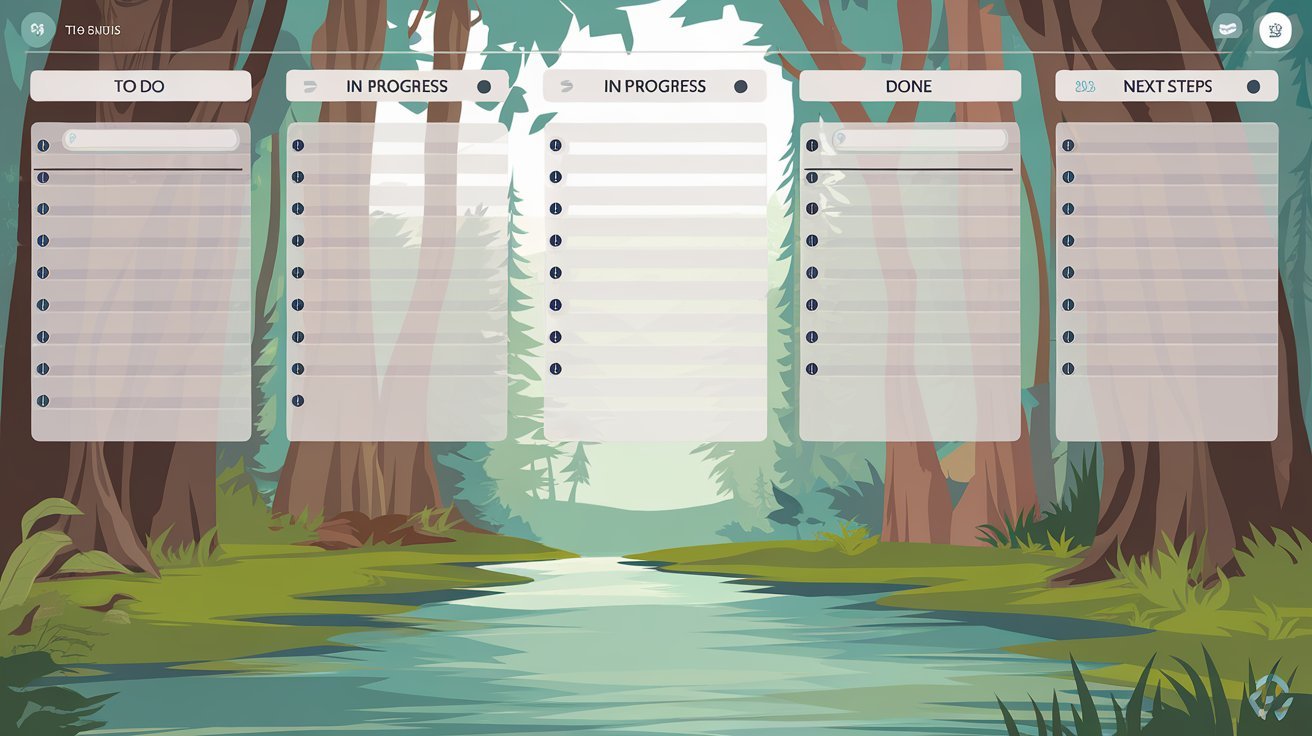
AOPG Trello is a popular search term among Roblox players looking for information about A One Piece Game (AOPG). The game is inspired by the One Piece universe and includes Devil Fruits, fighting styles, weapons, races, bosses, islands, quests, and progression systems. Because the game receives changes and new content, players often need a central place to check information before spending time farming or unlocking items.
The AOPG Trello board has historically been used as a community reference and information hub, helping players understand game mechanics, locations, items, fruits, bosses, quests, and other features. However, Trello pages and community resources can change over time, so players should always verify whether a particular board is current before relying on its information.
What Is AOPG Trello?
AOPG Trello refers to a Trello-based information board created to organize details about A One Piece Game. Trello is useful for gaming communities because information can be divided into cards and categorized into sections, making large amounts of game data easier to navigate.
For AOPG players, this type of board can function like a community-made game encyclopedia. Instead of searching through dozens of unrelated posts, players can look for categories covering fruits, races, weapons, fighting styles, islands, bosses, quests, and other gameplay elements.
AOPG itself is a Roblox experience built around the One Piece-inspired adventure formula. Players progress by completing quests, defeating enemies, obtaining powerful abilities, collecting items, and improving their characters.
The value of a Trello resource is therefore its organization. When a player wants to know where an item comes from or what requirements are necessary for an ability, a structured reference can make the search considerably faster.
What Information Can We Find on AOPG Trello?
The exact categories can change as the game develops, but AOPG Trello resources commonly focus on the information players need for progression.
One important category is Devil Fruits. Fruits are central to the game’s progression and can provide powerful abilities. Players often want to know what fruits exist, their abilities, rarity, locations, or other requirements. A Trello board can organize this information into individual cards or categories.
Another important area is weapons and fighting styles. AOPG contains different ways for players to build their characters, and understanding the requirements for obtaining a particular weapon or fighting style can save considerable farming time.
Players may also use AOPG reference resources for information about:
- Races and race-related abilities
- Bosses and enemies
- Islands and locations
- Quests and requirements
- Weapons and accessories
- Fighting styles
- Devil Fruits
- Game mechanics
- Items and materials
- Events and updates
- Progression requirements
Because Roblox games can change quickly, information that was accurate in an older Trello board may no longer match the current version of AOPG.
AOPG Trello and Devil Fruits
Devil Fruits are among the most searched subjects in AOPG, which makes them an important part of any AOPG Trello guide.
Players generally want to compare fruits before deciding where to invest their time. A fruit may provide useful abilities for grinding, boss fights, PvP, mobility, or general progression. Consequently, simply knowing a fruit’s name is often not enough. Players may also need information about its availability, abilities, rarity, and usefulness.
A structured Trello card can make these comparisons easier because information is presented in a consistent format. Instead of repeatedly searching the web for individual fruits, players can navigate a categorized board.
However, players should be careful when reading old guides. Balance changes can dramatically affect the usefulness of a fruit. A fruit that was considered extremely powerful in an earlier update may become less effective after a balance adjustment, while a previously overlooked ability may become valuable after buffs or changes.
For that reason, the most recent game information should always receive priority.
AOPG Trello for Races, Weapons, and Fighting Styles
Character progression in AOPG extends beyond Devil Fruits. Races, weapons, and fighting styles can significantly influence how players approach combat.
Races can provide different characteristics or advantages, while weapons may offer unique attacks and abilities. Fighting styles add another layer to character customization and can become particularly important for players developing specialized builds.
This is where an organized AOPG Trello resource becomes useful. Instead of experimenting blindly, players can research the requirements associated with a particular feature before beginning a long farming session.
For example, a player might want to unlock a specific fighting style but first needs a particular item, currency amount, level, or prerequisite. Finding those requirements before starting the process can prevent wasted time.
The same principle applies to weapons and other progression items. Preparation is one of the biggest advantages of using a well-organized game reference.
AOPG Trello, Codes, and Game Updates
Another reason players search for AOPG information is Roblox codes and updates. Codes can sometimes provide useful rewards, while updates may introduce new fruits, islands, weapons, quests, bosses, or mechanics.
However, codes are especially time-sensitive. A code that worked last month may already be expired. Therefore, players should not assume that a code found in an old article or video will still work.
The same applies to update information. AOPG can evolve through patches and new content, meaning that current information is more valuable than outdated screenshots or old tutorials.
When checking an AOPG Trello board, players should look for evidence that the board is actively maintained. If the board has not been updated for a long period, newer community sources may contain more accurate information.
How to Use AOPG Trello Effectively in 2026
Using an AOPG Trello resource effectively is relatively simple. First, players should make sure they are accessing the correct and current board. Search results can contain unofficial copies, outdated pages, and community resources with similar names.
Once the correct resource has been identified, players can use Trello’s categories or search functionality to locate the information they need.
For example, if the goal is to obtain a particular fruit, search for the fruit’s name and examine its available information. If the objective is unlocking a weapon, look for its card and check the requirements before beginning the farming process.
It is also useful to cross-check important information. If a Trello card conflicts with a recent update announcement or current in-game information, the newer source should generally receive greater weight.
Players should also remember that Trello is a reference tool rather than a guarantee of success. Game mechanics can change without every community guide being updated immediately.
AOPG Trello vs. Other AOPG Resources
AOPG players can find information through several channels, including Trello boards, Roblox community pages, Discord communities, YouTube guides, wikis, social media, and gaming websites. Each source has advantages and limitations.
Trello is particularly useful for organized reference information. A player who needs a quick list of requirements may find a categorized board easier to navigate than a long video.
YouTube, on the other hand, can be better when players need to see a process in action. A video can demonstrate how to reach an island, defeat a boss, or complete a difficult objective.
Community discussions can also provide useful information about recent changes, strategies, and bugs. However, community posts can contain speculation or outdated information.
The strongest approach is to combine sources. Use AOPG Trello for structured reference information, current game announcements for official changes, and community guides for practical strategies.
Frequently Asked Questions About AOPG Trello
What is AOPG Trello?
AOPG Trello is a Trello-based reference resource for A One Piece Game on Roblox. It can organize information about fruits, weapons, races, fighting styles, bosses, quests, islands, and other game mechanics.
Is AOPG Trello official?
Not every Trello board appearing in search results should automatically be considered official. Players should verify the source and current status of any AOPG Trello link before relying on it.
What can AOPG Trello help with?
It can help players research Devil Fruits, weapons, races, fighting styles, bosses, quests, locations, items, requirements, and other gameplay information.
Are AOPG codes listed on Trello always active?
No. Codes can expire, and older resources may contain inactive codes. Always verify a code against recent information before assuming it still works.
Why does AOPG Trello information sometimes appear outdated?
Roblox games can receive frequent updates. If a community board is not updated immediately after a patch, its information may no longer match the live game.
Conclusion
AOPG Trello remains a useful concept for players who want organized information about A One Piece Game, particularly when researching Devil Fruits, weapons, races, fighting styles, bosses, quests, islands, and progression requirements.
The biggest advantage of a Trello-style resource is organization. Instead of searching across countless pages, players can find related information in categorized sections and use it to plan their next objective.
At the same time, accuracy and freshness matter. AOPG is an evolving Roblox game, so players should verify important details against current game information and recent updates. When used alongside official announcements and active community resources, AOPG Trello can become an efficient companion for exploring the game’s content, optimizing progression, and making better decisions about where to spend valuable farming time.

IRS Free File 2026 provides eligible U.S. taxpayers with an opportunity to prepare and submit their federal income tax returns online without paying commercial tax preparation fees. Through the Internal Revenue Service (IRS), this program connects taxpayers with participating tax software providers that offer free federal tax preparation and electronic filing for individuals who meet the applicable eligibility requirements. It can help eligible households save money, understand their filing obligations, and submit their tax returns through a convenient online process.
For taxpayers looking to simplify tax season, IRS Free File offers an important starting point. Instead of paying for software or professional assistance for a straightforward return, eligible individuals can explore free preparation options, review the requirements of participating providers, and choose a service that fits their circumstances. However, understanding the difference between IRS Free File, Free File Fillable Forms, and other free tax preparation services is essential to making the right choice.
In this guide, we explain how IRS Free File works in 2026, who may qualify, how to begin filing, what documents to prepare, and how to avoid common mistakes when submitting a federal income tax return.
What Is IRS Free File and How Does It Work in 2026?
IRS Free File is a public-private partnership between the IRS and participating tax preparation companies. Its purpose is to help eligible taxpayers prepare and file their federal income tax returns electronically at no cost through approved online options.
The program generally offers two main filing methods: guided tax preparation software and Free File Fillable Forms. Guided software asks questions about a taxpayer’s income, family circumstances, deductions, and credits before using the supplied information to prepare a return. This approach is particularly helpful for people who want step-by-step instructions rather than completing every tax form independently.
Free File Fillable Forms, by contrast, provide electronic versions of federal tax forms for taxpayers who are comfortable preparing their own returns. These forms are designed for individuals who understand the relevant tax rules and can complete the calculations without extensive software guidance.
Participating providers may establish their own eligibility conditions for guided software, including income limits, age requirements, state residency, or restrictions involving particular tax situations. Therefore, taxpayers should check the current program’s provider listings rather than assume that every free service is available to everyone.
The official IRS website is the safest starting point for finding participating providers and reviewing the current terms. Taxpayers should begin at IRS Free File instead of relying on advertisements or unofficial links that may lead to paid products.
Who Qualifies for IRS Free File in 2026?
Eligibility for IRS Free File depends on the filing method selected, the taxpayer’s income, and the conditions established by the participating software provider. For the 2026 filing season, the program covers federal income tax returns for the 2025 tax year.
According to the IRS, taxpayers whose 2025 adjusted gross income (AGI) was $89,000 or less can explore guided tax software offers through IRS Free File. Each provider has additional eligibility conditions, which may include age, state residency, and military status. Meeting the income threshold does not automatically qualify someone for every available product.
Adjusted gross income is not necessarily the same as total wages or gross household income. It generally reflects total income after eligible adjustments, such as certain qualifying retirement contributions or student loan interest deductions, where applicable. Taxpayers should use their actual tax records and the IRS instructions to determine their AGI rather than relying on an estimate.
The following groups may benefit from reviewing IRS Free File options:
Employees: Individuals who receive wages reported on Form W-2.
Families with children: Parents who may qualify for credits such as the Child Tax Credit or Earned Income Tax Credit.
Students and young workers: Individuals with employment income who need to report earnings and determine whether they qualify for a refund.
Retirees: People reporting eligible retirement distributions or other income, subject to the selected provider’s supported tax situations.
Self-employed taxpayers: Eligible individuals whose business income and deductions are supported by a participating provider.
Active-duty military personnel: Qualifying service members may have additional free filing options.
Taxpayers whose AGI exceeds $89,000 may consider IRS Free File Fillable Forms when the service is available and their tax situations are supported. Unlike guided software, this option does not impose the same AGI eligibility threshold, but users must understand the tax forms and calculations themselves. Availability is seasonal, so taxpayers should verify whether the service is open before beginning.
How to Use IRS Free File: Step-by-Step Instructions
Filing through IRS Free File is straightforward when taxpayers prepare their documents and select the correct service. The most important rule is to begin on the official IRS website, because navigating directly to a commercial provider’s ordinary website may lead to a different product with different fees or eligibility conditions.
Step 1: Visit the official IRS Free File page
Open IRS.gov/freefile. Review the current filing options, eligibility information, and availability notices before choosing a provider.
Step 2: Check your eligibility
Use the IRS provider selection tool or browse participating partners. Compare each offer’s income, age, state residency, and tax-situation requirements.
Step 3: Gather your tax information
Collect wage statements, income records, identification details, dependent information, and documentation for eligible deductions and credits.
Step 4: Complete your federal return
Follow the software’s instructions, enter accurate figures, review your filing status, and check whether you qualify for tax credits or deductions.
Step 5: Submit and check acceptance
Electronically submit the return if filing is available. Keep the confirmation and check whether the IRS accepts or rejects the submission.
These steps describe the general filing process. The exact screens and requirements vary by provider, and a return is not considered successfully filed merely because the taxpayer finishes entering information. Check for the IRS acceptance confirmation and correct any rejection promptly.
Important for October 2026: The standard federal deadline for most 2025 individual income tax returns was April 15, 2026. An approved extension generally provides additional time to file, not additional time to pay. The IRS states that the 2026 Free File Fillable Forms service closed on October 15, 2026. Taxpayers who have not filed should check the current IRS filing options and instructions for late returns rather than assume that every Free File product remains available.
Documents Needed to File Taxes Through IRS Free File
Before starting a tax return, taxpayers should organize their financial records. Having the necessary information available makes the process more efficient and reduces the likelihood of mistakes, missing income, or incorrect claims.
The documents required depend on an individual’s financial circumstances. Most taxpayers will need some combination of the following:
Social Security number (SSN) or Individual Taxpayer Identification Number (ITIN): Identification details for the taxpayer and qualifying dependents, as applicable.
Form W-2: Reports wages, salaries, and federal income tax withheld by an employer.
Forms 1099: Report certain types of income, including interest, dividends, retirement distributions, and payments from other sources.
Dependent information: Details needed to determine whether children or other qualifying individuals can be claimed on a return.
Deduction and credit records: Documents supporting eligible deductions, education benefits, childcare expenses, or other tax benefits.
Previous-year tax return: Useful for checking prior-year adjusted gross income and other information needed to verify an electronic return.
Bank account and routing numbers: Useful when arranging an eligible refund by direct deposit or making certain electronic payments.
Taxpayers should report income from all applicable sources, not just the income associated with their primary job. Depending on the circumstances, additional forms or schedules may be required for investments, retirement income, business activities, or other financial transactions.
The IRS recommends reviewing all entries carefully before submitting a return. Incorrect identification numbers, inconsistent income figures, missing forms, and errors involving dependents can delay processing or lead to a rejected return. Retaining copies of submitted returns and supporting documents also makes it easier to answer questions later.
Benefits of IRS Free File for Individuals and Families
One of the most important advantages of IRS Free File is the opportunity to prepare and electronically file an eligible federal tax return without paying a preparation fee. For individuals who otherwise might purchase commercial software, the program can reduce the cost of meeting annual tax obligations.
Another advantage is access to guided preparation. Rather than requiring every taxpayer to calculate each figure independently, participating software generally asks questions about income, household circumstances, deductions, and credits. This structure can help taxpayers identify relevant information and complete common tax forms.
Additional benefits include:
Potential access to tax credits: Eligible taxpayers can use participating software to determine whether they qualify for benefits such as the Earned Income Tax Credit or Child Tax Credit.
Convenient electronic filing: Supported returns can be submitted online instead of being mailed as paper documents.
Fewer manual calculations: Guided software performs many calculations automatically.
Access to participating providers: Users can compare available offers and choose one that fits their circumstances.
Potentially faster refunds: Electronic filing combined with direct deposit can help eligible taxpayers receive refunds more quickly, although processing times vary.
Free federal preparation for qualifying users: The program is designed to provide eligible taxpayers with a no-cost federal filing option.
It is important to distinguish free federal filing from free state filing. Some participating providers include state tax preparation, while others charge a separate fee or do not support a particular state’s return. Taxpayers should read the offer’s terms before entering their information.
The IRS also establishes safeguards for participating Free File providers. The program’s published protections include restrictions on deceptive practices and unauthorized uses of tax-return information. Nevertheless, taxpayers should use official links, protect account credentials, and review privacy terms before submitting sensitive financial details.
Common IRS Free File Mistakes and How to Avoid Them
Although online tax filing can be convenient, several common mistakes may create unnecessary complications. Understanding these issues helps taxpayers choose the right service and complete their returns more confidently.
1. Assuming every provider is completely free
Not every provider offers the same services. A product may provide free federal preparation for eligible taxpayers while charging for state returns or situations that fall outside its eligibility requirements. Always confirm the total cost before proceeding.
2. Entering incorrect income information
Taxpayers should compare the figures entered into the software with their W-2 forms, 1099 forms, and other financial records. Missing income can result in an inaccurate return, while incorrect withholding information may affect a refund calculation.
3. Choosing software that does not support the tax situation
Some taxpayers have relatively straightforward returns, while others report business income, investment transactions, or specialized deductions. Review the participating provider’s supported forms and eligibility requirements before making a selection.
4. Confusing an extension with a payment extension
An approved filing extension generally provides more time to submit the return, but it does not extend the deadline for paying taxes owed. Applicable interest and penalties may arise when payment is late.
5. Failing to verify IRS acceptance
A submission confirmation from a tax software provider is not necessarily proof that the IRS accepted the return. Check the final filing status, and if the return is rejected, follow the rejection instructions and resubmit a corrected return when possible.
6. Waiting until the last minute
Free filing programs operate according to seasonal schedules. As the October 15, 2026, closing date for Free File Fillable Forms has passed, taxpayers seeking to file a late 2025 return should consult the IRS website for available alternatives and instructions.
7. Overlooking eligible tax benefits
Taxpayers should answer questions about dependents, education, childcare, retirement contributions, and other relevant circumstances accurately. These details may affect eligibility for credits or deductions. No benefit should be claimed unless the applicable requirements are met.
For additional guidance, the IRS provides information about filing options, tax records, payments, and refund tracking at IRS.gov.
IRS Free File 2026: Frequently Asked Questions
Is IRS Free File really free?
Yes. Eligible taxpayers can use participating IRS Free File guided software to prepare and electronically file their federal income tax returns at no cost, provided they meet the relevant offer’s requirements. State filing and other services may have separate eligibility conditions or fees.
What is the income limit for IRS Free File in 2026?
For the 2026 filing season, taxpayers with 2025 adjusted gross income of $89,000 or less could qualify for guided Free File software. Individual providers may impose additional requirements. Free File Fillable Forms had different eligibility rules but closed for the 2026 season on October 15, 2026.
Can I use IRS Free File if my income is above $89,000?
The income threshold applies to guided IRS Free File software. Free File Fillable Forms was designed for taxpayers across income levels who could prepare their own federal returns, subject to its program limitations and seasonal availability. Since that service has closed for the 2026 season, check the IRS website for currently available options.
Does IRS Free File include state taxes?
Some participating providers offer free state tax preparation and electronic filing, but others charge a fee or do not support every state. Check the specific offer before beginning.
Can I file a late tax return through IRS Free File?
Availability depends on the filing product and the time of year. The IRS has encouraged taxpayers who missed the regular deadline to file outstanding returns, but Free File products have seasonal limitations. Visit the official IRS website for current options for late returns.
How can I check my federal tax refund?
Taxpayers can use the IRS Where’s My Refund? tool to check the status of an eligible refund. The information becomes available according to IRS processing schedules, and some returns require additional review. A refund estimate from tax software is not the same as an IRS-confirmed refund amount.
Conclusion: Is IRS Free File Worth Using in 2026?
IRS Free File is an important resource for eligible U.S. taxpayers seeking a convenient way to prepare and submit federal income tax returns without paying commercial preparation fees. Its guided software options can help individuals and families organize financial information, complete common tax forms, and identify potentially available credits and deductions.
For the 2026 filing season, the principal income threshold for guided software was $89,000 in 2025 adjusted gross income, although provider-specific requirements also applied. Free File Fillable Forms offered an alternative for taxpayers comfortable preparing their own returns, but its 2026 service closed on October 15.
As of October 19, 2026, taxpayers who still need to file a 2025 return should check the official IRS website for current filing options, late-filing guidance, payment instructions, and applicable deadlines. Starting with the IRS rather than an unofficial website helps taxpayers find legitimate services, understand eligibility conditions, and make informed decisions about their federal tax obligations.

Lance Twiggs became a widely discussed public figure following the September 2025 shooting of conservative activist Charlie Kirk at Utah Valley University. Twiggs came to public attention because of his reported relationship with Tyler Robinson, the man accused of killing Kirk, and because of information Twiggs provided to investigators during the subsequent criminal investigation.
Before the case attracted national attention, public reporting described Twiggs as a resident of southern Utah with an interest in music, including piano. Much of the information now available about him comes from news reports and court proceedings rather than from a detailed public biography. It is therefore important to distinguish documented facts from allegations, secondhand accounts, and speculation about his private life.
As of October 2026, Lance Twiggs is primarily known for his role as a witness in the criminal case against Tyler Robinson. His recorded statements and reported communications with Robinson have featured in preliminary court proceedings, making him an important figure in coverage of the case.
This article examines Lance Twiggs’s background, musical interests, relationship with Robinson, cooperation with investigators, court testimony, and the latest developments surrounding the case.
Who Is Lance Twiggs? Early Life and Background
Lance Twiggs was associated with St. George, Utah, a city in the southwestern part of the state. News reports published after the Charlie Kirk shooting described Twiggs as someone who had attended a school for academically talented students and demonstrated an interest in music, particularly piano.
Some reports described Twiggs as a talented young pianist who performed classical and other musical pieces during his school years. These accounts provide a limited glimpse into his earlier interests, but publicly available information about his childhood, education, and personal ambitions remains incomplete.
Much of the online attention surrounding Twiggs emerged after investigators connected him to Robinson, rather than through a public career or extensive media presence of his own. As a result, many biographies circulating online combine confirmed details with claims that are difficult to independently verify.
For readers researching his background, it is useful to distinguish established reporting from speculation. A person’s past interests, educational experiences, and private relationships do not establish responsibility for another person’s alleged criminal conduct.
Lance Twiggs and Tyler Robinson: Their Relationship Explained
Lance Twiggs became nationally known after authorities identified him as the roommate and romantic partner of Tyler Robinson, the Utah man accused of fatally shooting Charlie Kirk on September 10, 2025.
According to reporting on court proceedings, Twiggs said that he met Robinson in person in 2023 when they began living together in St. George. Their relationship subsequently developed into a romantic partnership. The two were reportedly sharing a residence in southern Utah at the time of the shooting, which took place at Utah Valley University in Orem, more than 200 miles away.
Their connection became important to investigators because of communications that prosecutors said linked Robinson to the shooting. Authorities examined messages, a handwritten note, and conversations that Twiggs described during interviews.
The relationship also became the subject of widespread online discussion. However, speculation about the couple’s private life should not be confused with evidence presented in court.
Robinson is the defendant in the criminal case, and the allegations against him must be evaluated through the judicial process. Twiggs’s reported relationship with Robinson does not, by itself, establish criminal involvement or knowledge of an alleged plan before the shooting.
Lance Twiggs’s Role in the Charlie Kirk Shooting Investigation
Charlie Kirk, a prominent conservative political activist and co-founder of Turning Point USA, was fatally shot while speaking at an outdoor event at Utah Valley University on September 10, 2025.
Investigators identified Robinson as the suspect, and he surrendered to authorities the following day. Twiggs became relevant to the investigation because he reportedly received communications from Robinson and spoke with law enforcement about their interactions.
According to court reporting, Robinson sent Twiggs a message directing him to a handwritten note and later communicated about surrendering to authorities. Investigators also examined messages concerning a rifle and ammunition that prosecutors allege were connected to the shooting.
These communications formed part of the evidence prosecutors presented during preliminary proceedings. Twiggs’s account helped investigators describe Robinson’s reported behavior after the shooting and the conversations that took place at their shared residence.
It is important to understand the distinction between evidence presented by prosecutors and a final determination of guilt. The prosecution’s interpretation of messages and statements can be challenged by the defense, and the court must evaluate the evidence under the applicable legal standards.
The case has attracted extensive attention because of Kirk’s political prominence, the circumstances of the shooting, and wider debates about political violence and campus security.
Lance Twiggs’s Court Statements and Legal Developments in 2026
One of the most significant developments involving Twiggs occurred in July 2026, when a recorded interview with him was presented during preliminary proceedings in the case against Robinson.
According to reporting by the Associated Press, Twiggs told investigators that Robinson returned to their residence the morning after the shooting, appeared distressed, and said he wished he had not done it. Twiggs also described communications concerning a note and Robinson’s plans to surrender. Portions of the recorded interview were played in court, while other material remained redacted.
Twiggs also discussed Robinson’s previous conversations and interests. In the recorded interview, he said that Robinson had not discussed Charlie Kirk with him before the shooting. This detail is important because it illustrates that Twiggs’s statements included both information prosecutors considered relevant and limits on what he said he knew beforehand.
Twiggs was granted immunity for statements made to investigators, according to court reporting. Immunity can protect a witness from certain forms of prosecution based on covered statements, subject to the terms of the agreement and applicable law. It does not automatically establish that every statement is accurate or that a witness has no other legal obligations.
The defense challenged aspects of how the evidence should be presented, including concerns about the public release of statements and their potential effect on a fair trial. The court’s handling of these disputes has been an important part of the preliminary proceedings.
As of October 2026, Twiggs remains a significant witness in public reporting about the case. The legal proceedings against Robinson are separate from Twiggs’s personal background, and the evidence must be assessed through the court process.
Lance Twiggs’s Public Profile, Privacy, and Media Attention
Before the shooting, Twiggs was not widely known to the general public. The criminal investigation transformed his name into a frequent search topic, prompting questions about his background, identity, relationship, and role in the proceedings.
Some media outlets have reported that Twiggs is transgender. Court-related reporting has also documented differences between the name and pronouns used in certain defense filings and those used by the judge in public proceedings. For accuracy and respect, it is important to rely on relevant court records and credible reporting rather than treating conflicting descriptions across outlets as settled personal information.
The sudden attention has also highlighted a broader problem with online coverage of criminal cases: witnesses, relatives, and romantic partners can become public subjects even when they did not previously seek media attention.
Information about a witness should be discussed only when it is relevant to understanding the case. Unverified allegations about personal relationships, family disputes, or private behavior should not be presented as established facts.
The most reliable way to understand Lance Twiggs’s public role is to focus on his documented statements, the evidence described in court, and the legal context in which those statements were made.
Frequently Asked Questions About Lance Twiggs
Who is Lance Twiggs?
Lance Twiggs is a Utah resident who became publicly known as the former roommate and romantic partner of Tyler Robinson, the defendant accused of killing Charlie Kirk. Twiggs has provided statements to investigators that became part of the criminal proceedings.
What is Lance Twiggs known for?
He is primarily known for his connection to Robinson and his role as a witness in the Charlie Kirk shooting investigation. Media reports have also described his earlier interest in piano and music.
Did Lance Twiggs testify about Tyler Robinson?
In July 2026, a recorded interview with Twiggs was presented during preliminary proceedings. His statements described Robinson’s reported behavior after the shooting and communications between the two.
Was Lance Twiggs charged in the Charlie Kirk case?
The cited reporting identifies Robinson as the defendant charged with aggravated murder. Twiggs was described as a witness who received immunity for statements made to investigators. Readers should consult current court records for any subsequent changes in legal status.
What is the latest news about Lance Twiggs in 2026?
The major development in the reporting reviewed here is the public presentation of portions of Twiggs’s recorded interview during the July 2026 preliminary proceedings. His statements remain part of the public discussion surrounding the evidence against Robinson.
Conclusion: Understanding Lance Twiggs in 2026
Lance Twiggs became a nationally recognized name because of his connection to Tyler Robinson and the investigation into Charlie Kirk’s death. Before the case, public reporting described his interest in music and his life in southern Utah, but relatively little independently verified biographical information is available.
His role became more prominent when investigators examined communications between him and Robinson and when portions of his recorded interview were presented in court in July 2026. Those statements have helped explain aspects of the prosecution’s account of the events following the shooting.
For anyone researching Lance Twiggs’s biography, background, relationship with Tyler Robinson, and latest news, the key is to separate verified information from speculation and distinguish allegations from established findings. Following reputable reporting and official court developments provides a clearer understanding of the case while respecting the privacy of individuals involved.

The Alps are among the most spectacular mountain ranges in the world, famous for their towering peaks, picturesque villages, crystal-clear lakes, green valleys, and world-class ski resorts. Stretching across several European countries, this remarkable mountain system attracts millions of visitors every year who come to experience its natural beauty, outdoor adventures, cultural traditions, and breathtaking landscapes.
Whether we are planning a European holiday, researching famous mountains, or learning about the geography of the continent, the Alps offer something for almost everyone. From the iconic summit of Mont Blanc to the dramatic Matterhorn, the region combines extraordinary natural scenery with centuries of human history.
In 2026, the Alps remain a popular destination for skiing, hiking, cycling, sightseeing, and sustainable nature tourism. Understanding their geography, climate, attractions, and travel opportunities helps us appreciate why the Alps are one of Europe’s most important natural landmarks.
1. Where Are the Alps? Geography and Countries
The Alps are a major mountain range in central Europe, forming a natural geographical barrier between several regions of the continent. They extend approximately 1,200 kilometers (750 miles) in a broad arc from southeastern France through Switzerland, northern Italy, Liechtenstein, Germany, Austria, and Slovenia.
The exact length and boundaries depend on how the mountain system is measured, but the Alps cover a vast area characterized by high peaks, deep valleys, alpine meadows, forests, and glacial landscapes.
The countries most closely associated with the Alps are:
- France: Home to Mont Blanc, Chamonix, and major alpine ski resorts.
- Switzerland: Famous for the Matterhorn, Zermatt, Jungfrau region, and scenic mountain railways.
- Italy: Known for the dramatic Dolomites, Aosta Valley, and traditional alpine villages.
- Austria: Offers extensive ski areas, mountain lakes, and historic alpine towns.
- Germany: Contains part of the Northern Limestone Alps and the country’s highest mountain, Zugspitze.
- Slovenia: Features the Julian Alps and the beautiful Lake Bled region.
- Liechtenstein: A small Alpine country with mountain scenery and hiking opportunities.
The Alps also extend into Monaco’s broader geographical surroundings, although Monaco is not generally counted among the principal Alpine countries.
The mountain range influences Europe’s climate, transportation routes, agriculture, and settlement patterns. It also feeds important rivers and supports ecosystems that are essential to the continent’s environmental health.
2. Highest Mountains in the Alps and Famous Peaks
The Alps contain thousands of peaks, including some of Europe’s most recognizable mountains. Their dramatic elevations and distinctive shapes attract climbers, photographers, hikers, and visitors from around the world.
Some of the best-known peaks include:
- Mont Blanc: Rising to approximately 4,806 meters, Mont Blanc is the highest mountain in the Alps under commonly used measurements. Its exact elevation can vary because its snow and ice summit changes over time.
- Monte Rosa: A major mountain massif on the Swiss-Italian border, containing Dufourspitze, which rises to approximately 4,634 meters.
- Matterhorn: One of the world’s most recognizable mountains, famous for its sharply pointed pyramid-shaped summit near Zermatt, Switzerland, and Cervinia, Italy.
- Jungfrau: A prominent Swiss Alpine peak that forms part of a celebrated mountain region popular with visitors.
- Zugspitze: Germany’s highest mountain, reaching approximately 2,962 meters.
Each mountain offers a different experience. Some are primarily admired from scenic viewpoints, while others require advanced mountaineering skills, suitable equipment, and careful preparation.
The Matterhorn, for example, is visually accessible from several tourist areas, but climbing it is a serious undertaking. Visitors should distinguish between enjoying mountain scenery and attempting technically demanding alpine routes.
The Alps are therefore suitable for a broad range of travelers, provided activities are selected according to experience, fitness, weather, and local safety guidance.
3. Best Places to Visit in the Alps in 2026
The Alps feature a wide variety of destinations, from lively mountain resorts to peaceful villages and protected natural landscapes. The best place to visit depends on our budget, preferred activities, travel season, and interest in nature or culture.
Chamonix is a famous destination for mountaineering, hiking, cable-car sightseeing, and views of Mont Blanc. It offers restaurants, mountain accommodation, and access to trails for different experience levels.
Zermatt is renowned for its views of the Matterhorn, mountain railways, hiking routes, and winter sports. Its car-restricted village center contributes to its distinctive atmosphere.
The Dolomites are famous for their dramatic limestone formations, scenic mountain passes, traditional villages, and hiking opportunities. They are particularly appealing to photographers and outdoor enthusiasts.
Innsbruck combines historic architecture, museums, cafés, and easy access to surrounding mountains. It is an excellent option for travelers who want to combine city sightseeing with outdoor activities.
Lake Bled offers beautiful water views, a small island church, and access to the Julian Alps. It is a popular destination for relaxed sightseeing, walking, and photography.
Each destination offers a different perspective on Alpine life. Travelers should check seasonal transport schedules and local conditions before planning mountain excursions.
4. Climate, Wildlife, and Natural Environment of the Alps
The Alpine climate varies considerably with altitude, location, and season. Lower valleys can experience warm summers, while higher elevations remain cold and may retain snow throughout the year. Weather can change quickly in mountainous areas, making preparation essential.
Winter generally brings snow to many Alpine destinations, supporting skiing and other snow-based activities. Summer offers longer daylight hours, green meadows, flowing streams, and opportunities for hiking and cycling. Spring and autumn can be quieter, although weather conditions may be unpredictable.
The Alps are also home to remarkable biodiversity. Wildlife includes ibex, chamois, marmots, golden eagles, and bearded vultures, while wolves and lynx occur in parts of the wider region. Alpine plants include gentians, edelweiss, and species adapted to rocky terrain and short growing seasons.
Glaciers, forests, wetlands, and mountain lakes provide important habitats and help regulate water supplies. Alpine snow and ice also contribute to river systems that support communities and agriculture far beyond the mountains.
However, climate change is a major challenge for the Alps. Rising temperatures are contributing to glacier retreat, changes in snow conditions, and risks associated with unstable slopes and thawing permafrost. These changes affect wildlife, water resources, local communities, and winter tourism. Protecting these ecosystems is therefore essential to the region’s long-term future.
5. Things to Do in the Alps: Summer and Winter Activities
The Alps are a year-round destination with activities for families, adventure travelers, and visitors who simply want to enjoy spectacular scenery.
Summer activities include hiking, mountain biking, climbing, kayaking, scenic train journeys, and photography. Marked walking routes range from easy valley paths to demanding high-altitude trails. Cable cars and mountain railways make many viewpoints accessible without requiring a strenuous climb.
Winter activities include skiing, snowboarding, snowshoeing, sledding, and winter walking. Famous resorts across France, Switzerland, Austria, and Italy offer slopes for different skill levels, although snow conditions and operating dates vary each season.
Visitors can also explore Alpine culture through regional food, historic churches, traditional architecture, local festivals, and mountain villages. Regional dishes differ across the range, with specialties including Swiss fondue, Austrian dumplings, Italian polenta, and French Alpine cheeses.
For a successful trip, we should book accommodation according to the season, carry suitable clothing, check weather forecasts, and follow local safety advice. High-altitude hikes and glacier routes require particular care, and technical climbs may require qualified guides.
Sustainable travel is equally important. Using public transportation where practical, respecting wildlife, staying on marked trails, and avoiding litter help preserve the landscapes that make the Alps special. The Alpine Convention promotes cooperation between Alpine countries to protect the environment while supporting communities and responsible tourism.
6. Best Time to Visit the Alps and Essential Travel Tips
The best time to visit the Alps depends on what we want to experience.
December to March: Generally the main winter sports period, although resort opening dates and snow conditions vary.
June to September: Often the most suitable period for hiking, sightseeing, mountain lakes, and many high-altitude excursions.
April to May: A transitional season when lower valleys begin warming, but many high mountain trails may remain snowy or closed.
September to October: A beautiful period for autumn scenery, quieter destinations, and cooler walking conditions, although some seasonal services begin closing.
Before departure, we should compare transport connections, accommodation costs, mountain railway schedules, and any required activity reservations. Switzerland and other Alpine countries offer extensive rail networks, and public transportation can make it easier to reach popular destinations without renting a car.
Travel insurance that covers planned outdoor activities is worth considering, particularly for hiking, skiing, and mountaineering. We should also carry water, weather-appropriate clothing, navigation tools, and emergency supplies suited to the route.
Finally, travelers should remember that the Alps are a living environment, not simply a tourist attraction. Respecting local communities, following trail guidance, and adjusting plans when weather changes help make a visit safer and more rewarding.
Conclusion: Why the Alps Remain a Must-See Destination in 2026
The Alps combine some of Europe’s most impressive landscapes with rich cultural traditions, diverse wildlife, and exceptional opportunities for outdoor adventure. From Mont Blanc and the Matterhorn to the villages of Austria and the dramatic Dolomites, the mountain range offers experiences for nearly every type of traveler.
In 2026, visitors can explore the Alps through hiking, skiing, scenic rail journeys, wildlife observation, and cultural sightseeing. At the same time, the region’s glaciers and ecosystems face growing environmental pressures, making responsible tourism increasingly important.
Whether we are planning a summer hiking holiday, a winter ski trip, or a scenic European journey, the Alps offer a memorable combination of natural beauty, adventure, and cultural discovery.


 Tech1 month ago
TUF Gaming Laptop with Drivers in the Internet: The Complete 2026 Guide
- Business4 months ago
Tips for First-Time Chauffeur Service Users
- Celebrity4 months ago
Erin Wagner: Biography, Career, Achievements, and Lasting Influence
- Blog3 months ago
Almawadahit.com Blog: A Guide to Modern Online Blogging and Digital Content in 2026
- Blog3 months ago
Shiny or Shiny: The Complete 2026 Guide to Creating Stunning AI Images with ChatGPT, Picfont, and Image Compression Tools
- Business4 months ago
Voozon: Complete Guide, Meaning, Features, Benefits, and Everything You Need to Know
- Celebrity4 months ago
Luciana Pedraza: A Complete Biography of the Argentine Actress, Director, and Philanthropist
- Celebrity3 months ago
Solluminati Age (2026): Biography, Real Name, Birthday, Career, Height, and Life Story