
Business
Laser Rust Remover: Complete Guide to Laser Rust Removal in 2026

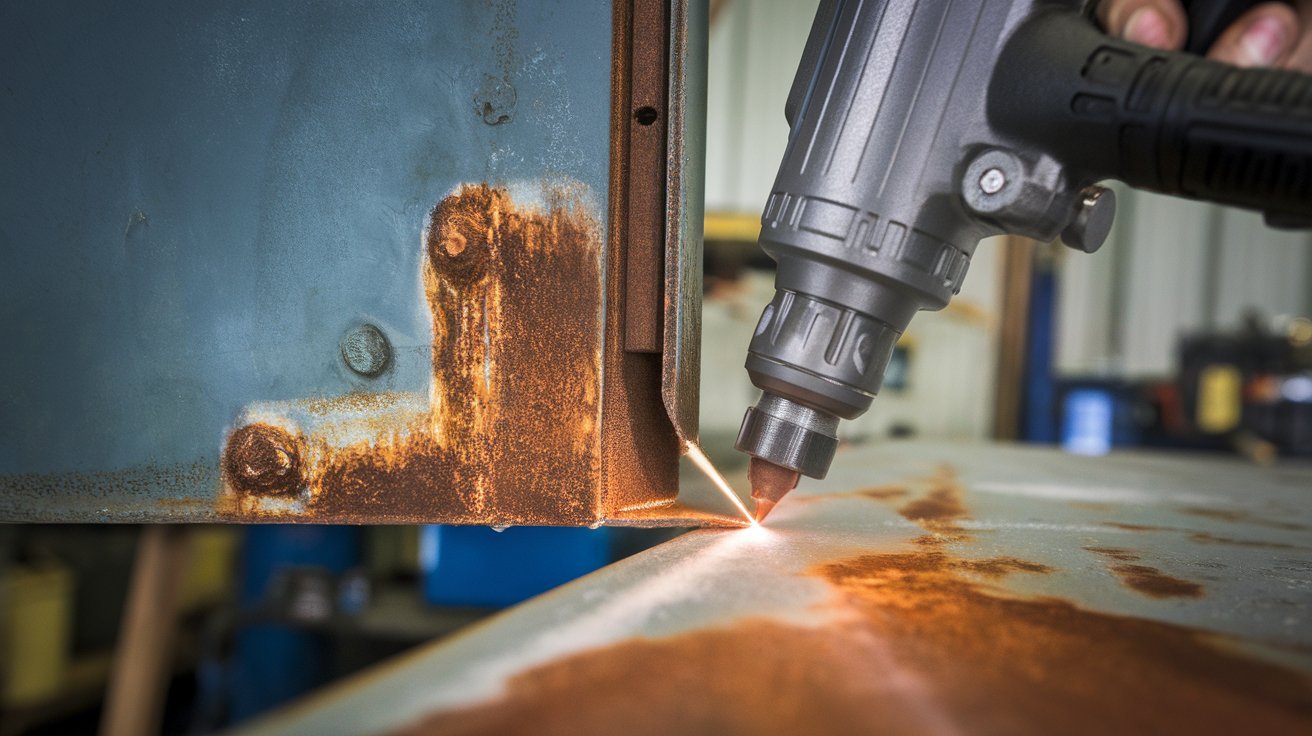
Laser rust remover technology has become an increasingly important method for removing corrosion, oxidation, paint and other surface contaminants from metal. Instead of using abrasive blasting, grinding or chemical rust removers, a laser cleaning machine uses focused laser energy to break down unwanted material from the surface.
In 2026, laser cleaning is being used across manufacturing, automotive work, aerospace, maintenance, restoration and other industrial applications. Recent research has demonstrated successful laser-based rust removal from corroded steel while also producing a surface suitable for subsequent coating and preparation processes.
The technology is attractive because it offers precision, non-contact cleaning, reduced abrasive consumption and strong automation potential. However, choosing the correct laser, parameters and safety equipment is essential because no single machine is ideal for every rust-removal application.
What Is a Laser Rust Remover?
A laser rust remover is a laser-cleaning system designed to remove rust and other unwanted surface layers from materials, particularly metals.
Instead of physically scraping corrosion away, the machine directs concentrated laser energy onto the affected surface. Rust and other contaminants absorb the laser energy differently from the underlying metal. With suitable parameters, the unwanted layer can rapidly heat, fracture, vaporize or eject from the surface while the base material experiences considerably less mechanical disturbance than it would during grinding or abrasive blasting.
This process is generally called laser ablation or laser cleaning.
The technology can be used for more than rust. Depending on the machine and process settings, laser cleaning can also address paint, oxides, grease, coatings and other contaminants. Research reviews have identified applications across industries including aircraft, ships, automobiles, nuclear power and microelectronics.
How Does Laser Rust Removal Work?
The basic process begins when the laser beam is directed toward a corroded surface.
The rust absorbs laser energy, causing extremely rapid heating. Depending on the laser parameters and contamination, the corrosion layer can undergo vaporization, thermal fracture or mechanical ejection. The removed material becomes fine particulate and/or fumes that must be properly captured.
The key is the difference between the contamination and the substrate. Rust generally interacts with the laser energy differently from clean metal, allowing a properly developed process window to preferentially remove the corrosion.
The result can be a visibly clean metal surface without the physical contact associated with a wire brush or grinding wheel.
However, this does not mean the process is automatically damage-proof. Excessive energy, unsuitable scanning speed, excessive overlap or incorrect parameters can alter the substrate. Current technical guidance therefore recommends testing representative parts before committing to a production process.
Pulsed vs. Continuous-Wave Laser Rust Removers
Two important laser-cleaning approaches are pulsed lasers and continuous-wave (CW) lasers.
Pulsed laser cleaners deliver energy in short bursts. This gives the operator greater control over how energy is deposited into the surface and can be advantageous when cleaning sensitive or precision components.
Continuous-wave lasers deliver energy continuously and can be attractive for applications where high cleaning productivity on robust materials is more important.
The correct choice depends on rust thickness, base material, geometry, required surface condition and production requirements rather than simply choosing the highest advertised power. Recent technical literature continues to investigate how laser parameters affect cleaning efficiency, surface quality and material properties.
For delicate parts, thin materials or highly controlled surface preparation, a pulsed system may offer useful process control. For heavier industrial cleaning on robust substrates, higher-power systems can be considered when the application has been properly qualified.
Benefits of Using a Laser Rust Remover
One of the biggest advantages is precision. The laser can be directed toward a defined area instead of mechanically contacting the entire surface. This can be valuable for weld preparation, localized corrosion and components with strict dimensional requirements.
Another advantage is that laser cleaning does not require continuous abrasive media such as blasting grit. It can also eliminate the need for chemical rust-removal baths in suitable applications. This can reduce certain consumable and cleanup requirements.
Laser cleaning can also provide:
- Non-contact surface treatment
- Reduced mechanical abrasion
- Precise treatment of localized corrosion
- Potentially lower use of abrasive media
- Strong automation potential
- Repeatable parameter-based processing
- Dry cleaning without conventional chemical baths
- Suitability for certain precision components
A 2026 study on corroded steel found that pulsed Nd:YAG laser treatment could achieve complete rust removal under the tested conditions while generating coating-relevant surface roughness and very low residual chloride contamination.
These advantages make laser rust removal particularly interesting where surface quality and process control matter as much as simply removing corrosion.
Laser Rust Removal vs. Sandblasting and Grinding
Traditional methods remain useful, and laser cleaning should not automatically be considered the best choice for every job.
Grinding and wire brushing are relatively accessible and practical for small repairs. However, they involve direct physical contact and can remove or alter healthy material if used aggressively.
Sandblasting is highly effective for large surfaces and heavy corrosion. It can be faster for extensive flat areas, although it requires abrasive media, dust control and cleanup. Laser systems can have an advantage where precise, localized cleaning is more important than maximum area-per-minute productivity.
Chemical rust removal can work well for certain parts but introduces chemical handling and waste-management considerations.
Laser cleaning therefore works best as an application-specific alternative, rather than a universal replacement for every conventional process. Large, heavily corroded surfaces may still favor abrasive methods, while precision components and localized corrosion can make laser cleaning particularly attractive.
Applications of Laser Rust Removers
Laser rust removers are used in a growing range of industrial and maintenance applications.
In the automotive industry, laser cleaning can be used for corrosion removal, component preparation and cleaning around welding or repair operations.
In manufacturing, it can prepare surfaces before welding, painting or coating. Removing oxidation and contaminants can help establish a cleaner surface for subsequent processes.
Aerospace and precision engineering applications can benefit from the non-contact nature of laser cleaning when dimensional control and surface quality are important.
Laser cleaning is also being investigated for bridges and offshore steel structures, where corrosion and surface contamination can complicate maintenance and coating preparation. A 2026 research study specifically examined laser-based preparation of corroded steel for local repair applications.
Other applications include molds, machinery, tools, fabricated metal components and restoration work.
Safety, Limitations and Buying Considerations
A laser rust remover is not a casual handheld cleaning tool that should be operated without appropriate training and controls. High-power laser systems can create serious eye and skin hazards, while the material removed from rusted or painted surfaces can produce potentially hazardous fumes and fine particles.
Proper laser safety controls, protective equipment, beam containment where appropriate, ventilation or fume extraction and operator training are essential.
There are also practical limitations. Laser cleaning is largely line-of-sight, meaning recessed cavities, blind holes and complicated internal geometries can be difficult to treat. Very large surfaces may be cleaned faster using abrasive blasting. Thick corrosion may also require multiple passes or a combined cleaning strategy.
When purchasing a machine, we should evaluate:
- Laser type
- Laser power
- Pulse characteristics
- Cleaning-head design
- Scan width and speed
- Available parameter controls
- Fume-extraction requirements
- Safety enclosure and interlocks
- Manufacturer support and training
- Results on our actual material and rust condition
Most importantly, we should test the actual workpiece. Rust thickness, substrate composition, geometry, desired finish and downstream coating requirements can dramatically change which machine and settings are appropriate.
Final Thoughts on Laser Rust Removers
A laser rust remover provides a modern approach to corrosion cleaning by using concentrated light energy instead of relying primarily on mechanical abrasion or chemical treatment. Its strongest advantages are precision, non-contact processing, reduced abrasive consumption and automation potential.
At the same time, laser cleaning has genuine limitations. Equipment can require a significant initial investment, large surfaces may favor blasting, complex geometries can be challenging, and incorrect parameters can damage the substrate.
For 2026, the most sensible approach is to evaluate laser rust removal according to the specific material, corrosion condition, surface-quality requirement and production volume. When those factors align, laser cleaning can provide a highly controlled and efficient way to restore metal surfaces while reducing some of the waste and mechanical impact associated with conventional rust-removal techniques.

An employment lawyer is a legal professional who advises and represents employees and employers in matters involving workplace rights, employment contracts, discrimination, harassment, wages, wrongful termination, and other employment-related disputes. In 2026, employment lawyers continue to play an important role in helping people understand their legal options when workplace problems affect their income, career, reputation, or working conditions.
Employment law covers a wide range of issues, from unpaid overtime and denied benefits to discrimination, retaliation, and disputes over termination. The exact rules depend on the country, state, province, employment status, and circumstances of the dispute. Therefore, understanding what an employment lawyer does can help workers identify potential legal problems and make informed decisions about seeking professional advice.
Whether someone has been dismissed unexpectedly, experienced harassment at work, or believes an employer has violated an employment agreement, an experienced lawyer can explain the relevant law, assess available evidence, and discuss possible solutions.
What Is an Employment Lawyer and What Do They Do?
An employment lawyer specializes in legal issues connected with the relationship between workers and employers. Some represent employees seeking compensation or protection from unlawful workplace practices, while others advise employers on complying with employment laws and resolving disputes. Certain lawyers represent both types of clients in separate matters, while others focus exclusively on one side.
For employees, legal assistance may involve reviewing an employment contract, explaining workplace rights, negotiating a settlement, filing a legal complaint, or representing a client in court or before an employment tribunal. Lawyers can also help workers understand whether a dismissal, pay decision, disciplinary action, or workplace policy may violate applicable law.
For employers, employment lawyers may draft employment agreements, review workplace policies, advise on disciplinary procedures, investigate complaints, and help organizations respond appropriately to allegations of discrimination or harassment. Preventive legal advice can help businesses reduce risk and handle employee concerns fairly.
Employment lawyers also assist with severance agreements, non-compete clauses, confidentiality obligations, whistleblower protections, and workplace investigations. The relevance and enforceability of these matters vary by jurisdiction.
A lawyer does not automatically guarantee a favorable outcome. Instead, the lawyer evaluates the facts, explains the available options, and develops a strategy based on the applicable law and the client’s objectives.
When Should You Hire an Employment Lawyer?
Recognizing when to consult an employment lawyer can make a significant difference in protecting your interests. Some workplace disagreements can be resolved through a manager or human resources department, but legal advice may be valuable when a dispute involves substantial financial loss, possible unlawful conduct, or strict filing deadlines.
Common situations that may justify consulting an employment lawyer include:
Wrongful termination: You believe your employer dismissed you for an unlawful reason or violated a legally enforceable employment agreement.
Workplace discrimination: You experienced unfavorable treatment related to a legally protected characteristic.
Sexual harassment: You experienced unwelcome conduct that may violate workplace harassment laws.
Unpaid wages or overtime: Your employer may have failed to pay legally required compensation.
Retaliation: You experienced an adverse employment action after reporting a suspected legal violation or participating in a protected complaint process.
Employment contract disputes: You disagree with the interpretation or enforcement of an employment agreement.
Severance negotiations: You want legal advice before signing an agreement that may waive certain claims.
Medical or family leave: Your employer may have interfered with legally protected leave rights or applicable accommodations.
In the United States, federal laws enforced by the Equal Employment Opportunity Commission (EEOC) prohibit specified forms of employment discrimination. The U.S. Department of Labor also enforces federal wage and hour protections and certain leave-related requirements.
It is often wise to seek advice early rather than wait until a dispute escalates. Employment claims may have short deadlines, and signing a settlement agreement or deleting relevant communications can affect available options.
Employment Lawyer for Wrongful Termination and Workplace Discrimination
Wrongful termination is one of the most common reasons people seek employment law advice. It generally refers to a dismissal that violates applicable law, an employment contract, or another legally protected right. However, being fired unfairly in an everyday sense does not necessarily mean that the dismissal is unlawful. The legal test depends on the jurisdiction and the facts.
An employment lawyer can examine the reason given for dismissal, employment documents, disciplinary records, performance reviews, and communications between the employee and employer. This information can help determine whether there is evidence of an unlawful motive, contractual breach, retaliation, or another actionable violation.
Workplace discrimination is another important area. In the United States, federal law prohibits covered employers from discriminating against applicants and employees on protected grounds, including race, color, religion, sex, national origin, disability, genetic information, and age 40 or older. These protections can apply to hiring, promotions, pay, termination, harassment, and other employment decisions.
An employment lawyer may help a worker assess whether the available facts support a discrimination complaint, organize supporting evidence, and understand the process for reporting the matter. Depending on the circumstances, the appropriate route may involve an administrative agency, a negotiated settlement, or litigation.
Retaliation is also a significant concern. Certain laws protect workers who report suspected discrimination, raise wage concerns, or engage in other legally protected activities. An employer’s negative response does not automatically establish unlawful retaliation, so the timing, circumstances, and evidence must be carefully evaluated.
Employees should preserve relevant messages, emails, schedules, performance evaluations, pay records, and written explanations for employment decisions. Keeping a clear timeline of events can help a lawyer understand the case more efficiently.
How to Choose the Best Employment Lawyer in 2026
Choosing the right employment lawyer requires more than searching online for the nearest legal office. The best choice depends on the type of dispute, the lawyer’s experience, the relevant jurisdiction, and the practical cost of obtaining legal assistance.
Consider the following factors when evaluating a lawyer:
Relevant experience: Look for a lawyer who regularly handles cases similar to yours, such as wrongful dismissal, wage disputes, discrimination, or executive employment contracts.
Knowledge of local law: Employment rules differ between countries and can vary between states or provinces. Confirm that the lawyer is qualified to advise on the law governing your situation.
Communication: Choose someone who explains legal concepts clearly, answers reasonable questions, and outlines the next steps.
Fee transparency: Ask about consultation fees, hourly rates, retainers, contingency arrangements where permitted, and possible additional expenses.
Case strategy: A suitable lawyer should explain the strengths and weaknesses of your position without guaranteeing a result.
Professional standing: Check licensing status, disciplinary information where publicly available, and references from reliable sources.
During an initial consultation, describe what happened, when it occurred, and what outcome you hope to achieve. Ask whether there are immediate deadlines, what evidence would be useful, and whether negotiation, an administrative complaint, mediation, or court proceedings might be appropriate.
Be cautious of anyone who promises a guaranteed settlement or demands payment without clearly explaining the services involved. A trustworthy employment lawyer should provide realistic guidance and help you make informed decisions.
Employment Lawyer Fees, Legal Process, and What to Expect
The cost of hiring an employment lawyer depends on the complexity of the dispute, the lawyer’s experience, the location, and the amount of work required. Some lawyers charge hourly rates, while others offer fixed-fee consultations or specific services. In certain jurisdictions and cases, contingency-fee arrangements may be available, subject to applicable professional rules and agreements.
Before hiring a lawyer, request a written explanation of the fee structure. Clarify whether the quoted amount includes correspondence, document review, negotiations, filing fees, expert assistance, and court appearances.
A typical employment dispute may follow several stages:
Initial consultation: The lawyer reviews the basic facts and identifies potential legal issues.
Evidence gathering: Relevant contracts, messages, pay records, policies, and other documents are collected.
Legal assessment: The lawyer evaluates applicable laws, possible claims, deadlines, and available remedies.
Negotiation or complaint: The parties may attempt to resolve the dispute, or the employee may need to file a formal complaint.
Mediation or litigation: If an agreement cannot be reached, the case may proceed through the appropriate legal process.
Not every case requires a trial. Some disputes are resolved through negotiation, while others require formal proceedings. Potential remedies vary and may include unpaid wages, compensation, reinstatement, changes to workplace practices, or other relief permitted by law.
In the United States, certain discrimination complaints must be filed with the EEOC within 180 or 300 days, depending on the circumstances and applicable law. Other employment claims have different deadlines. Workers should verify the deadline that applies to their specific situation rather than assume that all employment cases follow the same timetable.
Frequently Asked Questions About Employment Lawyers
1. What does an employment lawyer do?
An employment lawyer advises employees and employers on workplace laws, employment contracts, discrimination, harassment, unpaid wages, termination, retaliation, and related disputes. Depending on the case, the lawyer may negotiate a resolution, file a complaint, or represent a client in legal proceedings.
2. How much does an employment lawyer cost?
Fees vary according to location, experience, and case complexity. Lawyers may charge hourly rates, fixed fees, or contingency fees where legally permitted. Request a clear written fee agreement before hiring legal representation.
3. Can an employment lawyer help if I was wrongfully fired?
Yes. A lawyer can review the circumstances of your dismissal, examine relevant documents, and explain whether the facts may support a legal claim. Possible remedies depend on the applicable law and the evidence.
4. Can I sue my employer for workplace discrimination?
Potentially. The appropriate process depends on your location, the type of discrimination, the employer, and the evidence. Some claims require an administrative complaint before a lawsuit can proceed. A qualified employment lawyer can explain the relevant requirements.
5. When should I contact an employment lawyer?
Consider contacting one as soon as you suspect a serious legal violation, receive a severance agreement, face possible retaliation, or encounter a dispute involving wages or termination. Early advice can help you preserve evidence and avoid missing deadlines.
Conclusion: Finding the Right Employment Lawyer in 2026
An employment lawyer can be an important resource when workplace problems threaten your rights, financial security, or professional future. From wrongful termination and discrimination to unpaid wages, harassment, and contract disputes, employment law provides legal frameworks for addressing a wide range of workplace concerns.
Finding the right lawyer starts with understanding your problem, gathering relevant documents, checking professional qualifications, and asking clear questions about fees and legal strategy. Employees should also be aware that filing deadlines can be strict and that employment protections vary by jurisdiction.
Whether you are an employee seeking fair treatment or an employer trying to meet legal obligations, professional legal guidance can help clarify your responsibilities, options, and potential risks. By taking informed action and choosing a qualified employment law attorney, you can approach workplace disputes with greater confidence and a clearer understanding of the available legal remedies.

Finding shoe repair near me is a practical way to restore damaged footwear, extend the life of favorite shoes, and save money instead of buying a replacement. Whether we need to repair worn-out soles, replace broken heels, fix loose stitching, or restore the appearance of leather boots, a professional shoe repair shop can often provide an affordable and reliable solution. In 2026, shoe repair remains a useful service for people who value comfort, durability, quality craftsmanship, and sustainable shopping habits.
Shoes experience daily wear from walking, commuting, working, exercising, and changing weather conditions. Over time, even well-made footwear can develop problems that affect its appearance, comfort, or performance. Searching for a shoe repair shop near me helps us find local professionals who can assess the damage, recommend suitable repairs, and explain the expected cost before work begins. By understanding common repair services, choosing the right cobbler, and maintaining our footwear properly, we can make informed decisions and get more value from every pair.
What Does Shoe Repair Near Me Mean?
The search term shoe repair near me refers to finding nearby professionals who repair, restore, and maintain different types of footwear. These businesses may be known as shoe repair shops, cobblers, footwear repair services, or shoe restoration specialists. Depending on the workshop, they may repair everyday shoes, formal dress shoes, leather boots, sneakers, sandals, and certain specialty footwear.
A traditional cobbler typically focuses on repairing shoes rather than manufacturing new ones. Services may include replacing soles, repairing heels, stitching torn sections, restoring leather, fixing zippers, and replacing damaged components. Some modern workshops also specialize in sneaker restoration, luxury footwear care, and color correction.
Local shoe repair services are especially useful when a comfortable pair of shoes develops a small but noticeable problem. A worn heel, loose sole, or damaged seam does not always mean the entire shoe must be discarded. A professional can examine the construction and determine whether repairing the affected area is practical.
When looking for shoe repair near your location, we should consider the type of footwear, the severity of the damage, the workshop’s experience, and the estimated repair price. Choosing a service that understands the materials and construction of our shoes can help us achieve a better result.
Common Shoe Repair Services Available Near You
A professional shoe repair shop near me may offer several services depending on its equipment, expertise, and the materials used in your footwear. Understanding these services helps us explain the problem clearly and choose the right repair.
1. Sole Replacement and Sole Repair
The sole absorbs much of the impact created by walking. When it becomes thin, cracked, or detached, a cobbler may repair the damaged section or replace the sole entirely. Full resoling can be particularly worthwhile for quality leather shoes and boots with durable uppers and repairable construction.
2. Heel Repair and Replacement
Worn heel tips can affect stability, comfort, and the way shoes contact the ground. A cobbler can often replace damaged heel caps, rebuild worn sections, or correct certain alignment problems. This service is especially useful for formal shoes, dress boots, and high heels.
3. Leather Shoe Restoration
Leather footwear can develop scratches, scuffs, dryness, fading, and creases. Depending on the condition, a repair specialist may clean, condition, recolor, polish, or repair damaged sections. Deep cracks and extensive material deterioration may not be fully reversible, so an inspection is important before restoration begins.
4. Sneaker and Sports Shoe Repair
Some repair shops handle separated sneaker soles, torn stitching, damaged insoles, worn laces, and loose components. However, modern sneakers often use specialized foams, molded soles, and synthetic fabrics that can be difficult to repair invisibly. We should confirm that the workshop has experience with the specific shoe construction.
5. Stitching, Zippers, and Strap Repairs
Loose seams, broken straps, damaged buckles, and faulty boot zippers can make otherwise wearable footwear difficult to use. A cobbler may replace a zipper, reinforce stitching, or repair a strap depending on the damage and available materials.
How to Find the Best Shoe Repair Shop Near Me
Finding a nearby shop is only the first step. We also need to choose a repair professional who understands our footwear and can deliver work that meets our expectations.
Start by searching shoe repair near me, cobbler near me, or leather shoe repair near me on a map service or local business directory. Compare the distance, opening hours, customer reviews, photographs, and listed services. Reviews that describe specific repairs are particularly helpful because they provide more information than general comments about customer service.
Next, check whether the shop regularly repairs the type of footwear you own. A specialist in leather dress shoes may be a better choice for resoling premium formal footwear, while a sneaker restoration service may be more appropriate for delicate mesh uppers or specialized athletic shoes.
Before visiting, contact the shop and explain the problem. If possible, send clear photographs showing the sole, heel, upper, and damaged area. Ask whether the repair is practical, whether an inspection is required, how long the work may take, and whether the quoted price includes all necessary materials.
We should also pay attention to communication. A reliable cobbler should explain the proposed repair, discuss realistic results, and tell us when replacement may be more sensible than repair. For expensive footwear, it is worth asking about previous work on similar shoes and whether any workmanship guarantee is available.
Shoe Repair Costs in 2026: What Should We Expect?
The cost of shoe repair near me depends on the type of damage, footwear material, repair method, labor, and local pricing. A simple heel-tip replacement will generally cost less than rebuilding a worn leather boot or replacing a complete sole.
The following table provides broad illustrative price ranges in US dollars for comparison. Actual prices vary by location and workshop; these figures are not quotes from a particular repair shop.
| Type of shoe repair | Illustrative cost |
|---|---|
| Minor stitching or patching | $10–$35 |
| Heel-tip replacement | $15–$40 |
| Sole reattachment | $15–$45 |
| Partial sole replacement | $35–$70 |
| Full sole replacement | $80–$165 |
| Leather cleaning and conditioning | $10–$35 |
| Zipper or strap repair | $20–$60 |
Premium materials, complex construction, and extensive damage can increase the total. A full resole may also require additional work on the midsole, welt, or heel.
To decide whether repair is worthwhile, we should compare the quoted price with the cost of replacing the shoes, their original quality, their current condition, and how much we value their fit and comfort. A quality pair with a sound upper may justify a relatively expensive repair, while inexpensive footwear with extensive structural damage may be more economical to replace.
Always request a clear estimate before approving the work. Confirm whether the quote covers one shoe or the pair, whether replacement parts are included, and whether any additional costs require your approval.
Local Shoe Repair Options and How to Contact a Cobbler
When searching for shoe repair near me, local directories and map listings can help identify repair professionals in your area. For example, the following listings are in Faisalabad, Pakistan. They illustrate the kinds of local options people may encounter when searching for a cobbler; confirm the exact services, current availability, and address before visiting.
A local footwear-repair listing that may be useful for basic shoe or slipper repairs. Confirm the specific repair offered before visiting.
A locally listed shoe-repair provider. Contact the repairer to ask about the required work and expected turnaround time.
A leather-footwear business listing worth contacting about stitching, sole repairs, and other leather shoe work. Its exact repair services should be confirmed.
For additional local listings, the PAKELP service directory allows users to search for service providers by city and compare available information. These resources can help us begin our search, but we should verify the details directly rather than assume every listing offers specialist shoe restoration.
When Should We Repair Shoes Instead of Replacing Them?
Repair is often a sensible choice when the upper remains in good condition but a replaceable component has worn out. Examples include a damaged heel cap, a detached sole, loose stitching, or a broken zipper. Resoling well-constructed footwear can extend its useful life and preserve a pair that already fits comfortably.
Replacement may be more practical when the shoe’s upper is severely cracked, the internal structure has collapsed, the material has deteriorated extensively, or the cost of repair approaches the price of comparable new footwear. Some synthetic materials also resist durable repairs, particularly when the surrounding material has become brittle.
We should consider comfort and safety as well as price. Shoes with severely worn tread, unstable heels, exposed structural components, or damaged support should not be kept in regular use simply because a repair might be inexpensive. A professional assessment can help determine whether the footwear can be restored reliably.
Repairing shoes can also reduce waste by keeping usable products in circulation for longer. However, the environmental and financial benefits depend on the materials, repair quality, and additional lifespan achieved.
How to Maintain Shoes After Professional Repair
Proper care helps us protect the investment made in shoe repair. After collecting repaired footwear, follow the cobbler’s instructions regarding adhesive curing, cleaning, polishing, and when the shoes can be worn again.
Clean shoes according to their material and avoid soaking leather or delicate fabrics. Allow wet footwear to dry naturally away from direct heat, which can damage leather and weaken certain adhesives. Rotating between pairs gives shoes time to air out between uses, while shoe trees can help preserve the shape of suitable leather footwear.
We should inspect soles and heels regularly for uneven wear, loose edges, or exposed layers. Addressing minor problems early may prevent more extensive damage later. Replacing worn laces, conditioning suitable leather, and using protective products recommended for the material can also help maintain appearance and performance.
For suede, nubuck, luxury leather, and specialized sneakers, use care products designed for the specific material. Incorrect cleaners, aggressive brushing, or unsuitable adhesives may cause damage that is more difficult to reverse.
Frequently Asked Questions About Shoe Repair Near Me
1. How do I find a reliable shoe repair shop near me?
Search local map listings and directories, read reviews that mention specific repairs, compare photographs of completed work, and call ahead to confirm the service you need. Ask for a quote and expected completion date before approving the repair.
2. Can a cobbler repair sneakers?
Yes, some cobblers repair sneakers by reattaching soles, fixing stitching, replacing laces, or addressing certain upper and insole problems. Complex foam soles and heavily damaged synthetic materials may limit the available options.
3. How long does shoe repair usually take?
Minor repairs may be completed the same day, while resoling, leather restoration, and complex stitching can take several days or longer. The timeline depends on workload, materials, and the complexity of the repair.
4. Is repairing shoes cheaper than buying new ones?
Often, particularly when the damage is limited to the heel, sole, stitching, or another replaceable component. The best decision depends on the repair quote, footwear quality, structural condition, and replacement cost.
5. Should we bring both shoes to the repair shop?
Yes. Bringing both shoes allows the cobbler to compare heel height, sole wear, shape, and overall condition. This can help ensure that the repaired shoe matches its partner as closely as possible.
6. Can damaged leather shoes be restored?
Many leather shoes can be cleaned, conditioned, polished, recolored, or repaired. Deep cracks, extensive tearing, and major structural damage may not be fully reversible, so results depend on the condition of the leather.
7. Should we call before visiting a shoe repair shop?
Yes. Calling first helps confirm opening hours, repair capabilities, approximate pricing, and turnaround time. For unusual footwear or expensive shoes, sending photographs before visiting can make the initial assessment easier.
Conclusion
Finding the right shoe repair near me service can help us restore favorite footwear, reduce unnecessary spending, and extend the life of well-made shoes. From sole replacement and heel repair to stitching, leather restoration, and sneaker maintenance, a skilled cobbler can often resolve problems that initially seem to require a new pair.
The best approach is to identify the damage, compare reputable local providers, request a clear estimate, and choose a repair method suited to the footwear’s construction. With regular maintenance and timely professional attention, we can keep our shoes comfortable, presentable, and useful for longer.
Before making a decision, confirm the shop’s current services, materials, price, and completion time. A well-chosen repair can be a practical investment in footwear that still deserves a place in our everyday routine.

A tracking number is one of the most useful tools for anyone who shops online, sends parcels, or manages deliveries. It allows customers and businesses to follow a shipment as it moves through the delivery network, from dispatch and sorting to transportation and final delivery. In 2026, package tracking has become an essential part of modern e-commerce, helping people stay informed about their orders and understand when their parcels are likely to arrive.
Whether we are waiting for an online purchase, sending an important document, or checking an international shipment, knowing how tracking numbers work can make the delivery process easier to manage. Different courier companies use different tracking systems, and the information displayed can vary depending on the carrier, destination, and shipping service. By understanding tracking updates, common delivery statuses, and the best ways to check a parcel, we can avoid unnecessary confusion and respond quickly when a shipment is delayed.
1. What Is a Tracking Number?
A tracking number is a unique combination of letters, numbers, or both that a shipping company assigns to a parcel or shipment. It serves as an identifier that connects a package to its tracking records. When a courier scans the shipment at different stages of transportation, the tracking system records the available information and makes it accessible to the sender and recipient.
Tracking numbers are commonly used by postal services, express couriers, logistics providers, and online retailers. The exact format depends on the carrier. Some numbers contain only digits, while others combine letters and numbers. International postal shipments may use standardized formats, whereas private courier companies often use their own identification systems.
It is important to understand that a tracking number is not necessarily the same as an order number. An order number identifies a purchase in a retailer’s system, while a tracking number identifies a shipment in a carrier’s system. One online order may also be divided into several parcels, each with its own tracking number.
Once a seller dispatches an order, the tracking number is usually shared through an email, text message, shopping account, or shipping confirmation page. Keeping this number accessible makes it easier to check delivery progress without repeatedly contacting customer support.
2. How Does Package Tracking Work?
Package tracking works through a sequence of shipment scans and status updates. When a seller prepares an order for dispatch, a shipping label is created and associated with a tracking number. Depending on the carrier, the number may become visible in the tracking system before the parcel is physically collected.
After collection, the package moves through different locations in the courier network. It may pass through a local depot, sorting facility, regional distribution center, airport, customs facility, or destination delivery hub. Each scan can add information about the shipment’s location or processing stage.
For example, a typical domestic shipment may follow this process:
Shipment information received: The carrier has received electronic details about the shipment.
Picked up: The parcel has been collected by the courier.
In transit: The package is moving through the shipping network.
Arrived at a facility: The shipment has reached a sorting or distribution center.
Out for delivery: The parcel has been assigned to a delivery route.
Delivered: The carrier has recorded the shipment as delivered.
Not every shipment displays every status, and some tracking systems update more frequently than others. International deliveries may include export processing, customs clearance, and transfers between postal or courier partners.
A tracking number provides visibility into the recorded progress of a shipment, but it does not guarantee an exact delivery time. Weather conditions, operational disruptions, customs inspections, and incorrect address information can affect delivery schedules.
3. How to Track a Package Using a Tracking Number
Tracking a parcel is usually straightforward once we have the correct tracking number and know which courier is handling the shipment.
Step 1: Find your tracking number. Check the dispatch confirmation email, text message, retailer account, shipping receipt, or order history. Make sure you copy the complete number without adding spaces or omitting characters.
Step 2: Identify the shipping carrier. Look for the courier’s name in the shipping notification. Common international carriers include UPS, FedEx, DHL, and national postal services. If the seller has not identified the carrier, check the order details or contact the retailer.
Step 3: Visit the official tracking website. Open the carrier’s website and locate its package-tracking page. Enter the tracking number in the appropriate field and submit it.
Step 4: Review the shipment status. Check the latest scan, estimated delivery date, and any instructions or exceptions displayed by the carrier.
Step 5: Check again when necessary. If the package is still moving through the network, allow time for the next scan. If the status indicates a problem or remains unchanged beyond the carrier’s normal timeframe, contact the seller or courier for clarification.
For convenience, use the relevant official tracking website:
UPS Tracking
FedEx Tracking
DHL Tracking
USPS Tracking
Always use a trusted tracking website and avoid entering personal or payment information on suspicious pages.
4. Common Tracking Number Statuses and Their Meanings
Understanding tracking updates helps us determine whether a shipment is progressing normally or needs attention.
| Tracking status | What it usually means |
|---|---|
| Label created | Shipping information has been submitted, but the carrier may not have received the parcel yet. |
| Accepted or picked up | The carrier has received the shipment. |
| In transit | The parcel is moving through the delivery network. |
| Processing at facility | The package is being sorted or handled at a logistics center. |
| Customs clearance | The international shipment is undergoing customs processing. |
| Out for delivery | The parcel is scheduled for delivery on a local route. |
| Delivery attempted | The courier tried to deliver but could not complete the delivery. |
| Exception or delay | An issue has affected the expected shipping process. |
| Delivered | The carrier has recorded the package as delivered. |
The exact wording varies by courier. For instance, label created does not always mean the package is physically moving. It may simply indicate that the sender has generated a shipping label.
Similarly, a delivered notification does not always mean the recipient personally accepted the package. It could have been left in a designated location, delivered to a reception desk, or accepted by another authorized person. If a parcel is marked delivered but cannot be found, check the delivery instructions, nearby safe locations, and any available proof-of-delivery information before reporting the issue.
5. Why Is My Tracking Number Not Working?
A tracking number may occasionally appear invalid or show no information. This does not automatically mean the shipment has been lost.
One common reason is that the carrier has not yet scanned the parcel. A seller may create the shipping label several hours or even days before handing over the package. During this period, the tracking page may display only shipment information or no updates.
Other possible causes include typing errors, selecting the wrong courier, delays in international tracking synchronization, or using an order number instead of the shipment’s tracking number.
To resolve the problem, we should first copy the number directly from the shipping confirmation and verify the carrier. If the shipment was recently dispatched, allow some time for the first physical scan. If the number still does not work after the seller’s stated processing period, contact the retailer to confirm that the package has actually been handed to the courier.
For shipments that remain unchanged for several days, review the carrier’s estimated delivery window and service guidelines. International parcels may spend additional time in customs or between transportation partners. The appropriate time to report a delay depends on the shipping service and destination, so we should follow the carrier’s official advice rather than assume that every pause indicates a lost parcel.
6. International Tracking, Delivery Delays, and Package Safety
International package tracking can be more complicated than domestic tracking because shipments may pass through several postal services, customs agencies, and logistics companies. A parcel might receive a tracking number from the original carrier and then be transferred to a local delivery partner in the destination country.
During this process, tracking information may update irregularly. Some carriers provide detailed location scans, while others display only major milestones. Customs authorities may also request documentation or assess duties and taxes before releasing a package.
If a shipment is delayed, check whether the tracking page identifies a customs issue, address problem, or delivery exception. Follow the instructions provided by the carrier and contact the seller if the parcel exceeds the expected delivery window.
We should also protect tracking information from scams. Fraudulent messages sometimes claim that a package cannot be delivered unless the recipient pays a small fee or supplies personal information through an unfamiliar website. Instead of following unexpected links, visit the official courier website directly and enter the tracking number there.
A tracking number alone generally does not provide complete access to a person’s financial accounts, but it can reveal shipment-related information. Avoid publicly sharing tracking details when they are associated with valuable purchases or private addresses.
7. Conclusion: Why Tracking Numbers Matter in 2026
A tracking number makes modern shipping more transparent by allowing customers and businesses to follow parcels through the delivery process. From the first shipment scan to the final delivery notification, tracking information helps us understand where a package is, recognize possible delays, and determine when additional action may be necessary.
To track a package successfully, we should find the correct tracking number, identify the carrier, use its official website, and understand the meaning of each status update. If the number does not work, the shipment stops updating, or the parcel is marked delivered unexpectedly, checking the details and contacting the appropriate company can help resolve the issue.
As online shopping and international shipping continue to expand in 2026, package tracking remains an important part of a reliable delivery experience. Keeping your tracking number, checking official updates, and responding promptly to delivery exceptions can help make sending and receiving packages more convenient, secure, and predictable.


 Tech1 month ago
TUF Gaming Laptop with Drivers in the Internet: The Complete 2026 Guide
- Business4 months ago
Tips for First-Time Chauffeur Service Users
- Blog3 months ago
Almawadahit.com Blog: A Guide to Modern Online Blogging and Digital Content in 2026
- Celebrity3 months ago
Erin Wagner: Biography, Career, Achievements, and Lasting Influence
- Blog3 months ago
Shiny or Shiny: The Complete 2026 Guide to Creating Stunning AI Images with ChatGPT, Picfont, and Image Compression Tools
- Business3 months ago
Voozon: Complete Guide, Meaning, Features, Benefits, and Everything You Need to Know
- Celebrity4 months ago
Luciana Pedraza: A Complete Biography of the Argentine Actress, Director, and Philanthropist
- Business3 months ago
Totaling vs Totalling: The Complete 2026 Guide to the Correct Spelling and Usage