
Blog
How Do You Change the Battery in a Ford Key Fob? Complete 2026 Guide

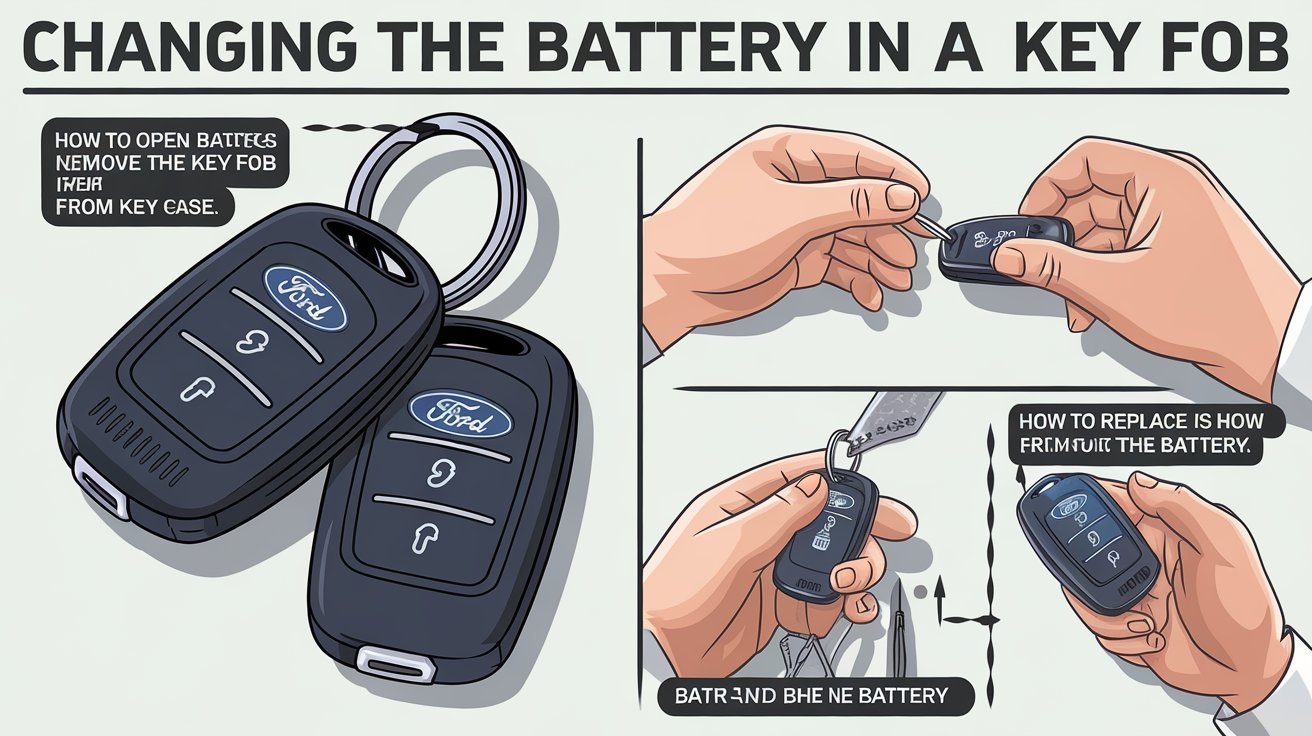
Knowing how to change the battery in a Ford key fob can save time when the remote begins showing signs of a weak battery. A Ford key fob relies on a small coin-cell battery to power its buttons and wireless functions. When the battery becomes weak, the remote may work inconsistently, require repeated button presses, or display a low-battery warning in vehicles equipped with that feature.
The exact battery and opening procedure depend on the Ford key-fob design and vehicle model year. Ford has used several key-fob styles, so we should identify the correct replacement battery and follow the instructions for the specific fob rather than assuming every Ford remote opens in exactly the same way.
The process is generally simple: open the fob, remove the old battery, install the replacement in the correct orientation, and reassemble the housing. In most cases, replacing the battery does not require reprogramming the key.
What Battery Does a Ford Key Fob Use?
The first step is determining the correct battery. Ford key fobs can use different coin-cell batteries depending on the vehicle and remote design. Common examples include CR2032 and CR2450, but we should not assume either battery is correct without checking the specific key.
Ford’s owner information provides model-specific instructions and battery specifications through its online owner manuals. For example, Ford documentation for some remote-control designs specifies a CR2032 3-volt lithium battery, while other Ford keys can use different battery sizes.
We can identify the required battery by checking the existing battery, consulting the vehicle’s owner’s manual, or using Ford’s official support resources. The number printed on the old coin cell should match the replacement.
When purchasing a replacement, we should select a reputable 3-volt lithium coin-cell battery with the exact size specified for the key. A battery that physically looks similar may still be the wrong type.
How to Open a Ford Key Fob
Once we have the correct battery, we can prepare a small, non-damaging tool if the particular fob requires one. Many Ford key fobs are designed with a slot, notch, or seam that allows the housing to be separated.
For traditional Ford remote-control designs, we generally begin by removing the mechanical key if the fob contains one. Ford instructions for several models describe using the key or another suitable tool to access the battery compartment.
We should inspect the housing carefully before applying pressure. The goal is to separate the two halves without damaging the plastic clips. Excessive force or using a sharp metal object aggressively can scratch the housing or damage internal components.
If the fob has a removable physical key, we should keep it somewhere secure while the housing is open. The electronic circuit board should also remain protected from unnecessary contact.
How Do You Change the Battery in a Ford Key Fob?
After opening the housing, we can remove the old battery from its retaining position. The battery compartment may contain a small clip or holder designed to keep the coin cell securely in place.
We should note the positive (+) and negative (–) orientation before removing the old battery. Battery orientation varies by key design, so the correct installation direction should be confirmed from the markings inside the fob or the owner’s manual.
The basic procedure is:
- Open the key fob carefully.
- Locate the existing coin-cell battery.
- Check its printed battery number and orientation.
- Carefully release the battery from its holder.
- Insert the new battery in the same orientation.
- Confirm that the battery is seated securely.
- Reconnect the two halves of the key-fob housing.
- Reinstall the mechanical key if applicable.
- Test the remote buttons from close range.
Ford’s official guidance for applicable key fobs instructs owners to install the replacement battery with the positive side facing in the specified direction and then reassemble the remote. Because Ford uses multiple key designs, the exact orientation should be checked against the instructions for the particular vehicle.
How to Replace the Battery Without Damaging the Key Fob
A key fob contains electronic components that should be handled carefully. We should work on a clean, dry surface and avoid touching the circuit board unnecessarily.
When removing a coin-cell battery, we should not force it against the plastic housing. If a retaining tab holds the battery in place, gently release the battery according to the design of the holder.
We should also avoid bending the metal contacts inside the battery compartment. These contacts provide the electrical connection between the battery and the remote’s circuitry. If they become bent or damaged, simply installing a new battery may not solve the problem.
The replacement battery should sit flat and securely. If it moves around inside the compartment, the fob may work intermittently.
When closing the housing, we should align the edges before applying gentle, even pressure. The two halves should snap together without requiring excessive force.
How to Know When a Ford Key Fob Battery Needs Replacing
A weak key-fob battery can produce several warning signs. The most obvious is that the remote works only when we are closer to the vehicle than usual. The buttons may also require multiple presses.
Depending on the Ford model, the vehicle can display a message indicating that the key battery is low. Ford’s owner’s manuals provide model-specific explanations for these warnings.
Some vehicles may continue operating normally while the remote battery gradually becomes weaker. However, replacing the battery when these symptoms appear is preferable to waiting until the remote stops communicating with the vehicle.
It is also useful to remember that a key-fob problem is not always caused by the battery. If a fresh, correctly installed battery does not restore normal operation, the issue could involve the remote itself, physical damage, poor battery contact, or another vehicle-related problem.
Does Changing the Ford Key Fob Battery Require Reprogramming?
For many Ford vehicles, changing the coin-cell battery does not erase the key’s programming. The electronic key remains associated with the vehicle after the battery is replaced.
This is an important distinction between battery replacement and key programming. Programming is a separate procedure used when adding or replacing a key or remote, while replacing the existing battery normally only restores electrical power to the existing remote.
If the key fob does not work after a battery replacement, we should first check three things: battery type, battery orientation, and battery seating. We should also confirm that the fob housing has been closed correctly.
If the remote still does not function, the vehicle’s owner’s manual or Ford support information should be consulted for the specific model. A dealership or qualified automotive locksmith may be appropriate if the remote requires programming or appears to have an electronic fault.
Ford Key Fob Battery Replacement Safety and Disposal
Coin-cell batteries should be handled responsibly. They are small and can be hazardous if swallowed, particularly by children and pets. The old battery should therefore be kept away from young children and animals during the replacement process.
We should never attempt to recharge, crush, puncture, burn, or otherwise modify a disposable lithium coin-cell battery. A damaged battery should be handled according to local battery-disposal guidance.
After replacement, the old battery should be taken to an appropriate battery-recycling or household hazardous-waste collection point where available. Local disposal requirements can vary.
We should also keep the replacement battery in its original packaging until it is needed and avoid carrying loose coin cells alongside metal objects that could bridge the battery terminals.
What to Do If the New Ford Key Fob Battery Does Not Work
If the remote remains unresponsive after installing a new battery, we should not immediately assume that the key needs to be replaced.
First, confirm that the battery number is correct for the particular Ford key. Next, remove and reinstall it while checking the positive and negative orientation. The battery should make firm contact with the holder.
We should then inspect the housing to make sure it has completely closed and that no internal component has shifted.
If the remote still fails, testing the battery with an appropriate battery tester can help determine whether the replacement itself is functional. We should also consider whether the key has suffered water exposure, impact damage, or worn buttons.
If another properly functioning key works with the vehicle while the newly serviced remote does not, the problem is more likely to be associated with the individual key fob. At that point, professional diagnosis may be appropriate.
Final Guide to Changing a Ford Key Fob Battery
The answer to “How do you change the battery in a Ford key fob?” is relatively simple, but the exact procedure depends on the key design. We begin by identifying the correct coin-cell battery, carefully open the housing, remove the old battery, install the new one in the correct orientation, and securely close the fob.
The most important details are using the exact battery specified for the key, observing the correct polarity, protecting the internal electronics, and avoiding excessive force when opening or closing the housing.
In most situations, a normal battery replacement does not require reprogramming the existing key. If the remote continues to malfunction after a correctly installed new battery, we should investigate the possibility of damaged contacts, a faulty remote, or another issue rather than repeatedly replacing batteries.
Because Ford has produced numerous key-fob designs across its vehicle range, the vehicle-specific owner’s manual remains the most reliable reference for the exact battery type and replacement procedure. Ford’s official support center also provides model-specific information for many vehicles.

The Alps are among the most spectacular mountain ranges in the world, famous for their towering peaks, picturesque villages, crystal-clear lakes, green valleys, and world-class ski resorts. Stretching across several European countries, this remarkable mountain system attracts millions of visitors every year who come to experience its natural beauty, outdoor adventures, cultural traditions, and breathtaking landscapes.
Whether we are planning a European holiday, researching famous mountains, or learning about the geography of the continent, the Alps offer something for almost everyone. From the iconic summit of Mont Blanc to the dramatic Matterhorn, the region combines extraordinary natural scenery with centuries of human history.
In 2026, the Alps remain a popular destination for skiing, hiking, cycling, sightseeing, and sustainable nature tourism. Understanding their geography, climate, attractions, and travel opportunities helps us appreciate why the Alps are one of Europe’s most important natural landmarks.
1. Where Are the Alps? Geography and Countries
The Alps are a major mountain range in central Europe, forming a natural geographical barrier between several regions of the continent. They extend approximately 1,200 kilometers (750 miles) in a broad arc from southeastern France through Switzerland, northern Italy, Liechtenstein, Germany, Austria, and Slovenia.
The exact length and boundaries depend on how the mountain system is measured, but the Alps cover a vast area characterized by high peaks, deep valleys, alpine meadows, forests, and glacial landscapes.
The countries most closely associated with the Alps are:
- France: Home to Mont Blanc, Chamonix, and major alpine ski resorts.
- Switzerland: Famous for the Matterhorn, Zermatt, Jungfrau region, and scenic mountain railways.
- Italy: Known for the dramatic Dolomites, Aosta Valley, and traditional alpine villages.
- Austria: Offers extensive ski areas, mountain lakes, and historic alpine towns.
- Germany: Contains part of the Northern Limestone Alps and the country’s highest mountain, Zugspitze.
- Slovenia: Features the Julian Alps and the beautiful Lake Bled region.
- Liechtenstein: A small Alpine country with mountain scenery and hiking opportunities.
The Alps also extend into Monaco’s broader geographical surroundings, although Monaco is not generally counted among the principal Alpine countries.
The mountain range influences Europe’s climate, transportation routes, agriculture, and settlement patterns. It also feeds important rivers and supports ecosystems that are essential to the continent’s environmental health.
2. Highest Mountains in the Alps and Famous Peaks
The Alps contain thousands of peaks, including some of Europe’s most recognizable mountains. Their dramatic elevations and distinctive shapes attract climbers, photographers, hikers, and visitors from around the world.
Some of the best-known peaks include:
- Mont Blanc: Rising to approximately 4,806 meters, Mont Blanc is the highest mountain in the Alps under commonly used measurements. Its exact elevation can vary because its snow and ice summit changes over time.
- Monte Rosa: A major mountain massif on the Swiss-Italian border, containing Dufourspitze, which rises to approximately 4,634 meters.
- Matterhorn: One of the world’s most recognizable mountains, famous for its sharply pointed pyramid-shaped summit near Zermatt, Switzerland, and Cervinia, Italy.
- Jungfrau: A prominent Swiss Alpine peak that forms part of a celebrated mountain region popular with visitors.
- Zugspitze: Germany’s highest mountain, reaching approximately 2,962 meters.
Each mountain offers a different experience. Some are primarily admired from scenic viewpoints, while others require advanced mountaineering skills, suitable equipment, and careful preparation.
The Matterhorn, for example, is visually accessible from several tourist areas, but climbing it is a serious undertaking. Visitors should distinguish between enjoying mountain scenery and attempting technically demanding alpine routes.
The Alps are therefore suitable for a broad range of travelers, provided activities are selected according to experience, fitness, weather, and local safety guidance.
3. Best Places to Visit in the Alps in 2026
The Alps feature a wide variety of destinations, from lively mountain resorts to peaceful villages and protected natural landscapes. The best place to visit depends on our budget, preferred activities, travel season, and interest in nature or culture.
Chamonix is a famous destination for mountaineering, hiking, cable-car sightseeing, and views of Mont Blanc. It offers restaurants, mountain accommodation, and access to trails for different experience levels.
Zermatt is renowned for its views of the Matterhorn, mountain railways, hiking routes, and winter sports. Its car-restricted village center contributes to its distinctive atmosphere.
The Dolomites are famous for their dramatic limestone formations, scenic mountain passes, traditional villages, and hiking opportunities. They are particularly appealing to photographers and outdoor enthusiasts.
Innsbruck combines historic architecture, museums, cafés, and easy access to surrounding mountains. It is an excellent option for travelers who want to combine city sightseeing with outdoor activities.
Lake Bled offers beautiful water views, a small island church, and access to the Julian Alps. It is a popular destination for relaxed sightseeing, walking, and photography.
Each destination offers a different perspective on Alpine life. Travelers should check seasonal transport schedules and local conditions before planning mountain excursions.
4. Climate, Wildlife, and Natural Environment of the Alps
The Alpine climate varies considerably with altitude, location, and season. Lower valleys can experience warm summers, while higher elevations remain cold and may retain snow throughout the year. Weather can change quickly in mountainous areas, making preparation essential.
Winter generally brings snow to many Alpine destinations, supporting skiing and other snow-based activities. Summer offers longer daylight hours, green meadows, flowing streams, and opportunities for hiking and cycling. Spring and autumn can be quieter, although weather conditions may be unpredictable.
The Alps are also home to remarkable biodiversity. Wildlife includes ibex, chamois, marmots, golden eagles, and bearded vultures, while wolves and lynx occur in parts of the wider region. Alpine plants include gentians, edelweiss, and species adapted to rocky terrain and short growing seasons.
Glaciers, forests, wetlands, and mountain lakes provide important habitats and help regulate water supplies. Alpine snow and ice also contribute to river systems that support communities and agriculture far beyond the mountains.
However, climate change is a major challenge for the Alps. Rising temperatures are contributing to glacier retreat, changes in snow conditions, and risks associated with unstable slopes and thawing permafrost. These changes affect wildlife, water resources, local communities, and winter tourism. Protecting these ecosystems is therefore essential to the region’s long-term future.
5. Things to Do in the Alps: Summer and Winter Activities
The Alps are a year-round destination with activities for families, adventure travelers, and visitors who simply want to enjoy spectacular scenery.
Summer activities include hiking, mountain biking, climbing, kayaking, scenic train journeys, and photography. Marked walking routes range from easy valley paths to demanding high-altitude trails. Cable cars and mountain railways make many viewpoints accessible without requiring a strenuous climb.
Winter activities include skiing, snowboarding, snowshoeing, sledding, and winter walking. Famous resorts across France, Switzerland, Austria, and Italy offer slopes for different skill levels, although snow conditions and operating dates vary each season.
Visitors can also explore Alpine culture through regional food, historic churches, traditional architecture, local festivals, and mountain villages. Regional dishes differ across the range, with specialties including Swiss fondue, Austrian dumplings, Italian polenta, and French Alpine cheeses.
For a successful trip, we should book accommodation according to the season, carry suitable clothing, check weather forecasts, and follow local safety advice. High-altitude hikes and glacier routes require particular care, and technical climbs may require qualified guides.
Sustainable travel is equally important. Using public transportation where practical, respecting wildlife, staying on marked trails, and avoiding litter help preserve the landscapes that make the Alps special. The Alpine Convention promotes cooperation between Alpine countries to protect the environment while supporting communities and responsible tourism.
6. Best Time to Visit the Alps and Essential Travel Tips
The best time to visit the Alps depends on what we want to experience.
December to March: Generally the main winter sports period, although resort opening dates and snow conditions vary.
June to September: Often the most suitable period for hiking, sightseeing, mountain lakes, and many high-altitude excursions.
April to May: A transitional season when lower valleys begin warming, but many high mountain trails may remain snowy or closed.
September to October: A beautiful period for autumn scenery, quieter destinations, and cooler walking conditions, although some seasonal services begin closing.
Before departure, we should compare transport connections, accommodation costs, mountain railway schedules, and any required activity reservations. Switzerland and other Alpine countries offer extensive rail networks, and public transportation can make it easier to reach popular destinations without renting a car.
Travel insurance that covers planned outdoor activities is worth considering, particularly for hiking, skiing, and mountaineering. We should also carry water, weather-appropriate clothing, navigation tools, and emergency supplies suited to the route.
Finally, travelers should remember that the Alps are a living environment, not simply a tourist attraction. Respecting local communities, following trail guidance, and adjusting plans when weather changes help make a visit safer and more rewarding.
Conclusion: Why the Alps Remain a Must-See Destination in 2026
The Alps combine some of Europe’s most impressive landscapes with rich cultural traditions, diverse wildlife, and exceptional opportunities for outdoor adventure. From Mont Blanc and the Matterhorn to the villages of Austria and the dramatic Dolomites, the mountain range offers experiences for nearly every type of traveler.
In 2026, visitors can explore the Alps through hiking, skiing, scenic rail journeys, wildlife observation, and cultural sightseeing. At the same time, the region’s glaciers and ecosystems face growing environmental pressures, making responsible tourism increasingly important.
Whether we are planning a summer hiking holiday, a winter ski trip, or a scenic European journey, the Alps offer a memorable combination of natural beauty, adventure, and cultural discovery.
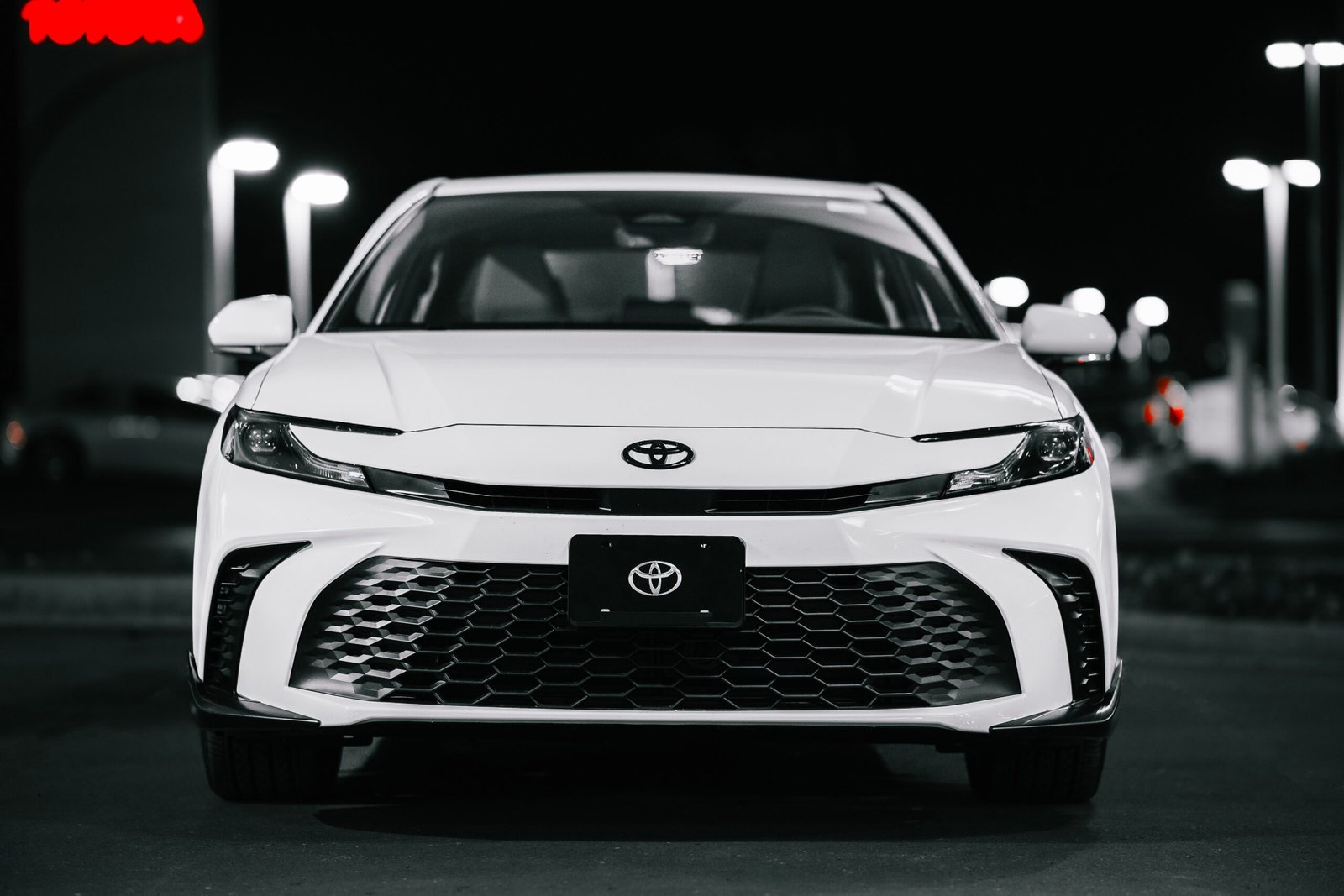
The 2024 Toyota Corolla remains an attractive option for drivers seeking a practical, fuel-efficient, and comfortable compact car. Known for its everyday usability and established reputation for reliability, the Corolla appeals to commuters, small families, first-time car buyers, and people looking for a sensible used vehicle in 2026.
Toyota offered the 2024 Corolla in sedan and hatchback body styles in the United States, with gasoline and hybrid powertrains available. Its key attractions include modern infotainment technology, driver-assistance features, competitive fuel economy, and a range of trim levels designed to suit different budgets.
However, buyers should understand that 2024 Toyota Corolla specifications vary by country. The American-market Corolla is different from the locally assembled Toyota Corolla Altis sold in Pakistan. This guide explains the US-market model, its features, performance, fuel economy, price considerations, and important points to consider when buying one in 2026.
1. 2024 Toyota Corolla Overview: Design and What’s New
The 2024 Toyota Corolla belongs to the twelfth generation, introduced for the 2020 model year. Toyota retained the generation’s familiar design for 2024 while offering updated styling options and a well-equipped standard package.
The exterior features a distinctive front grille, sculpted body panels, modern lighting, and compact proportions that make the car suitable for urban driving. Its design emphasizes practicality while maintaining a contemporary appearance.
One notable addition for 2024 was the return of the Nightshade Edition. Based on the SE trim, it features dark exterior accents, blacked-out badges, and bronze-finished alloy wheels. These details give the Corolla a sportier appearance without changing its fundamental role as an economical everyday car.
The American-market gasoline sedan is available in LE, SE, and XSE trims, with the Nightshade Edition offering a distinctive alternative. Hybrid models provide another option for drivers who prioritize fuel savings.
The Corolla hatchback appeals to buyers who prefer a compact body style with a rear liftgate, although its cargo capacity and passenger space differ from those of the sedan.
Overall, the 2024 Corolla focuses on efficiency, comfort, manageable dimensions, and useful technology rather than high-performance driving. Toyota’s official Corolla comparison provides additional information about the model’s features and available configurations.
2. 2024 Toyota Corolla Engine, Performance, and Specifications
The standard US-market 2024 Toyota Corolla sedan uses a 2.0-liter four-cylinder gasoline engine that produces approximately 169 horsepower and 151 lb-ft of torque. Power is delivered to the front wheels through a continuously variable automatic transmission (CVT).
The powertrain is designed to provide smooth acceleration and efficient everyday performance. It is well suited to commuting, city driving, and highway travel, although drivers seeking rapid acceleration may prefer a more powerful vehicle.
The hybrid sedan combines a 1.8-liter gasoline engine with electric motors and a hybrid battery system. Its combined output is approximately 138 horsepower, with front-wheel-drive and all-wheel-drive configurations available in the US lineup.
The following table summarizes the principal specifications of the gasoline sedan.
| Specification | 2024 Toyota Corolla sedan |
|---|---|
| Engine | 2.0-liter, four-cylinder |
| Horsepower | 169 hp |
| Torque | 151 lb-ft |
| Transmission | Continuously variable automatic |
| Drivetrain | Front-wheel drive |
| Seating capacity | 5 passengers |
| Fuel type | Gasoline |
| Body style | Four-door sedan |
These figures apply to the standard US-market gasoline sedan. Hybrid and hatchback models have different specifications.
On the road, the Corolla offers predictable handling, straightforward controls, and a comfortable ride. The SE and XSE versions provide sportier styling and suspension characteristics, but the lineup generally prioritizes practical transportation over aggressive performance.
3. 2024 Toyota Corolla MPG and Fuel Economy
One of the strongest reasons to consider the 2024 Toyota Corolla is its fuel economy. Both gasoline and hybrid versions are designed to keep fuel consumption manageable, making them appealing to people who drive regularly.
According to published US EPA estimates, certain gasoline Corolla LE configurations achieve up to 32 mpg in the city, 41 mpg on the highway, and 35 mpg combined. Other gasoline trims have slightly different ratings.
The front-wheel-drive Corolla Hybrid LE achieves up to approximately 53 mpg city, 46 mpg highway, and 50 mpg combined. Some other hybrid trims have different estimates, while all-wheel-drive hybrid versions generally deliver slightly lower fuel economy.
These figures use the US miles-per-gallon system and should not be confused with kilometers per liter.
Actual fuel consumption depends on traffic, driving habits, road conditions, tire pressure, weather, and vehicle maintenance. Hybrid models can be particularly efficient in stop-and-go traffic because their electric motors help reduce gasoline-engine use under suitable conditions.
For drivers covering substantial annual distances, a hybrid may offer worthwhile fuel savings. However, comparing the purchase price and expected maintenance costs is essential before deciding which powertrain provides the best overall value.
4. 2024 Toyota Corolla Interior, Technology, and Safety
The 2024 Toyota Corolla interior is designed around comfort, practicality, and straightforward operation. The sedan seats five people and provides a useful cabin for commuting, shopping, and everyday family travel.
Depending on the trim, equipment includes automatic climate control, upgraded upholstery, heated front seats, and additional convenience features.
Technology is another highlight. The US-market Corolla features an 8-inch Toyota Audio Multimedia touchscreen, along with wireless Apple CarPlay and Android Auto compatibility. These systems allow drivers to access compatible smartphone applications, navigation services, calls, and music.
The Corolla also includes Toyota Safety Sense 3.0, a collection of driver-assistance technologies designed to support safer driving. Depending on the system and operating conditions, features include:
- Pre-Collision System with pedestrian detection.
- Lane Departure Alert with steering assistance.
- Dynamic Radar Cruise Control.
- Lane Tracing Assist.
- Automatic High Beams.
- Road Sign Assist.
These systems can provide useful assistance, but they do not eliminate the need for attentive driving. Additional equipment, such as blind-spot monitoring and rear cross-traffic alert, varies by trim and configuration.
The sedan offers approximately 13 cubic feet of trunk space, making it suitable for groceries, everyday bags, and typical luggage. Buyers who regularly transport bulky items should compare its cargo capacity with larger sedans, hatchbacks, and SUVs.
5. 2024 Toyota Corolla Price, Trims, and Used-Car Value in 2026
The original US-market price of the 2024 Toyota Corolla depended on the trim, body style, powertrain, and optional equipment. In 2026, used-car prices vary according to mileage, condition, location, accident history, and local demand.
The main gasoline sedan trims serve different buyer preferences.
- LE: The entry-level choice for drivers prioritizing everyday practicality and fuel efficiency.
- SE: Offers sportier styling, sport-oriented seats, and additional visual appeal.
- Nightshade Edition: Adds distinctive dark styling elements and bronze wheels.
- XSE: Provides a more upscale equipment package, including additional comfort and convenience features.
- Hybrid trims: Appeal to buyers seeking lower gasoline consumption, with certain configurations offering all-wheel drive.
When buying a used 2024 Corolla, we should examine its service records, accident history, mileage, tires, brakes, transmission operation, and electronic systems. Hybrid buyers should also check the condition of the hybrid system and verify any remaining warranty coverage.
Buyers in Pakistan should pay particular attention to market differences. The locally available Corolla Altis uses configurations that differ from the US-market 2.0-liter Corolla. Pakistani variants have included 1.6-liter and 1.8-liter gasoline engines, depending on the model and trim.
Consequently, US prices, engine specifications, and equipment lists should not be applied directly to a Pakistani-market Corolla. Imported vehicles may also involve different registration costs, taxes, spare-parts requirements, and warranty arrangements.
For the most accurate valuation, compare several vehicles with similar mileage, condition, specifications, and documentation before making an offer.
6. Pros and Cons: Is the 2024 Toyota Corolla Worth Buying?
The 2024 Toyota Corolla offers several advantages for people seeking dependable everyday transportation.
Main advantages
- Strong fuel economy, particularly with the hybrid powertrain.
- A useful collection of standard driver-assistance features.
- Comfortable ride quality for regular commuting.
- Modern smartphone connectivity and infotainment technology.
- A choice of sedan, hatchback, and hybrid configurations in the US market.
- Practical dimensions for urban parking and daily use.
Potential disadvantages
- Acceleration is modest compared with sportier compact cars.
- Rear-seat and cargo space may be insufficient for some families.
- Engine and road noise can become noticeable under certain driving conditions.
- Higher trims and hybrid models may cost more upfront.
- Equipment and specifications vary considerably between international markets.
The Corolla is particularly suitable for commuters, small families, and drivers who prioritize operating costs and convenience. Buyers who want stronger performance, more spacious interiors, or greater cargo capacity should compare alternatives before making a decision.
Conclusion: Should You Buy a 2024 Toyota Corolla in 2026?
The 2024 Toyota Corolla remains a practical compact car in 2026, offering a combination of fuel efficiency, useful technology, comfortable everyday driving, and a broad range of configurations.
The gasoline sedan is a sensible option for buyers who want straightforward transportation, while the hybrid model is worth considering for those who drive frequently and want to reduce fuel consumption. The Nightshade Edition and higher trims provide additional styling and comfort options.
Before purchasing, compare the exact vehicle specifications, local market price, maintenance history, and warranty coverage. For buyers in Pakistan, verifying whether a car is a locally specified Corolla Altis or an imported US-market Corolla is particularly important.
By matching the right configuration to our budget and driving needs, we can make a more informed decision about whether the 2024 Toyota Corolla is the right used car to own in 2026.
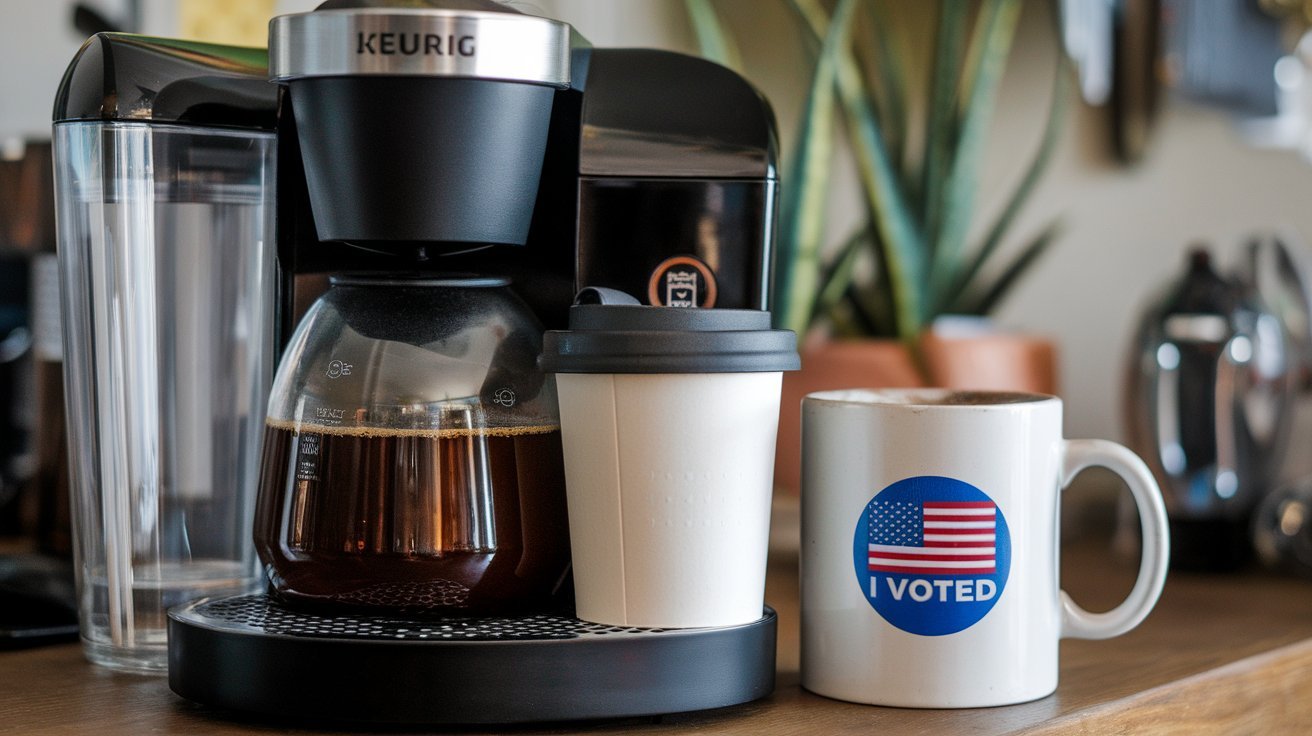
A Keurig coffee maker has become one of the most convenient ways to enjoy fresh coffee, tea, hot chocolate, and specialty beverages at home or in the office. Its simple design and fast brewing process make it a favorite choice for millions of users worldwide. Whether you have purchased your first machine or want to improve your brewing experience, understanding how to use Keurig properly can help you get the best flavor and performance from your brewer.
Modern Keurig machines are designed to brew a fresh cup in about a minute using convenient K-Cup pods. Most models offer multiple cup sizes, removable water reservoirs, energy-saving features, and compatibility with reusable coffee filters. With the right setup and maintenance, a Keurig brewer can deliver consistent, delicious beverages every day.
Getting Your Keurig Ready for First Use
Before brewing your first cup, it is important to set up the machine correctly.
Start by removing all packaging materials and placing the Keurig on a stable surface near an electrical outlet. Fill the water reservoir with fresh water and attach it securely to the brewer. Many Keurig models recommend avoiding distilled water because it may affect brewing performance. Place a large mug on the drip tray before powering on the machine.
For new machines, perform a cleansing brew without inserting a K-Cup pod. This process flushes the internal system and prepares the brewer for normal operation. Once completed, your Keurig is ready to make coffee.
How to Brew Coffee with a Keurig
Brewing coffee with a Keurig is quick and straightforward.
Step 1: Fill the Water Reservoir
Ensure the water reservoir contains enough fresh water for the desired cup size. Most Keurig machines have clear water level indicators that make monitoring easy.
Step 2: Place Your Mug
Position a coffee mug on the drip tray directly beneath the brew spout. If you are using a travel mug, remove the drip tray if necessary to create additional clearance.
Step 3: Insert the K-Cup Pod
Lift the handle on top of the brewer and place a K-Cup pod into the pod holder. Do not remove the foil lid from the pod. Lower the handle completely until it locks into place.
Step 4: Select Brew Size
Most Keurig brewers allow users to choose between several cup sizes such as 6 oz, 8 oz, 10 oz, or 12 oz depending on the model. Select your preferred size using the control panel.
Step 5: Start Brewing
Press the brew button and wait approximately one minute. The machine will heat the water and force it through the K-Cup pod, creating a fresh cup of coffee. Brewing is complete when the indicator lights stop flashing.
Step 6: Enjoy Your Beverage
Carefully remove the used K-Cup pod after brewing and dispose of it properly. Your coffee is now ready to enjoy.
Choosing the Right Brew Size
One of the most useful Keurig features is the ability to customize beverage size.
Smaller cup sizes generally produce stronger coffee because less water passes through the coffee grounds. Larger cup sizes create a milder flavor.
Common brew sizes include:
- 6 oz – Strong and bold coffee
- 8 oz – Balanced flavor
- 10 oz – Smooth and lighter taste
- 12 oz – Larger serving with milder strength
Experimenting with different sizes can help you discover the perfect flavor profile for your favorite K-Cup pods.
Using a Reusable Coffee Filter
Many Keurig models support reusable coffee filters, allowing users to brew their favorite ground coffee instead of purchasing K-Cups.
Benefits include:
- Lower long-term costs
- Reduced waste
- More coffee variety
- Custom coffee strength
To use a reusable filter:
- Fill the filter basket with ground coffee.
- Insert the reusable filter into the brewer.
- Select your preferred cup size.
- Start the brewing cycle.
Reusable filters provide excellent flexibility for coffee enthusiasts who enjoy experimenting with different blends and roasts.
Making Iced Coffee with a Keurig
Many newer Keurig models include a dedicated Brew Over Ice feature.
To make iced coffee:
- Fill a tumbler with ice.
- Insert your preferred coffee pod.
- Place the tumbler beneath the brewer.
- Select the Brew Over Ice option.
- Allow the brewing cycle to complete.
The machine adjusts brewing parameters to create a rich flavor that remains enjoyable after the ice melts. Some models specifically include settings designed for this purpose.
Cleaning and Maintaining Your Keurig
Proper maintenance is essential for consistent brewing quality and machine longevity.
Clean the Water Reservoir
Wash the reservoir regularly using warm water and mild soap. This prevents residue buildup and helps maintain fresh-tasting beverages.
Empty the Drip Tray
Remove excess water and coffee spills frequently to keep the machine clean.
Clean the Needles
Coffee grounds can occasionally clog the pod holder needles. Cleaning these areas improves water flow and brewing consistency.
Descale the Brewer
Mineral deposits naturally build up inside the machine over time. Keurig recommends descaling every three to six months to maintain optimal performance and beverage quality.
Common Keurig Problems and Solutions
Even reliable coffee makers occasionally experience issues.
Coffee Tastes Weak
- Use a smaller brew size.
- Try a darker roast pod.
- Clean the brewer thoroughly.
Machine Won’t Brew
- Check the water reservoir.
- Ensure the K-Cup pod is inserted correctly.
- Restart the brewer.
Slow Brewing
- Perform a descaling cycle.
- Clean the needles and water lines.
Leaking Water
- Verify that the reservoir is seated properly.
- Check seals and connections.
- Inspect the drip tray for overflow.
Regular maintenance prevents most common Keurig problems and ensures dependable operation.
Tips for the Best Keurig Coffee Experience
To maximize flavor and performance:
- Use fresh filtered water.
- Store K-Cups in a cool, dry place.
- Clean the brewer regularly.
- Descale every few months.
- Experiment with different coffee brands and roast levels.
- Choose the cup size that matches your taste preference.
These simple habits can significantly improve coffee quality and extend the lifespan of your machine.
Conclusion
Learning how to use Keurig is simple, but mastering the process can greatly enhance your daily coffee experience. From setting up the brewer and selecting the right K-Cup pod to maintaining the machine through regular cleaning and descaling, every step contributes to better flavor and performance.
A properly maintained Keurig coffee maker provides fast, convenient, and consistent brewing for coffee lovers of all experience levels. By following the best practices outlined in this guide, you can enjoy rich, flavorful beverages and reliable performance throughout 2026 and beyond.


 Business3 months ago
Tips for First-Time Chauffeur Service Users
- Tech1 month ago
TUF Gaming Laptop with Drivers in the Internet: The Complete 2026 Guide
- Blog3 months ago
Almawadahit.com Blog: A Guide to Modern Online Blogging and Digital Content in 2026
- Business3 months ago
Voozon: Complete Guide, Meaning, Features, Benefits, and Everything You Need to Know
- Celebrity3 months ago
Erin Wagner: Biography, Career, Achievements, and Lasting Influence
- Blog3 months ago
Shiny or Shiny: The Complete 2026 Guide to Creating Stunning AI Images with ChatGPT, Picfont, and Image Compression Tools
- Celebrity3 months ago
Solluminati Age (2026): Biography, Real Name, Birthday, Career, Height, and Life Story
- Celebrity3 months ago
Luciana Pedraza: A Complete Biography of the Argentine Actress, Director, and Philanthropist