Plants
How to Start a Vegetable Garden in 2026: A Complete Beginner’s Guide

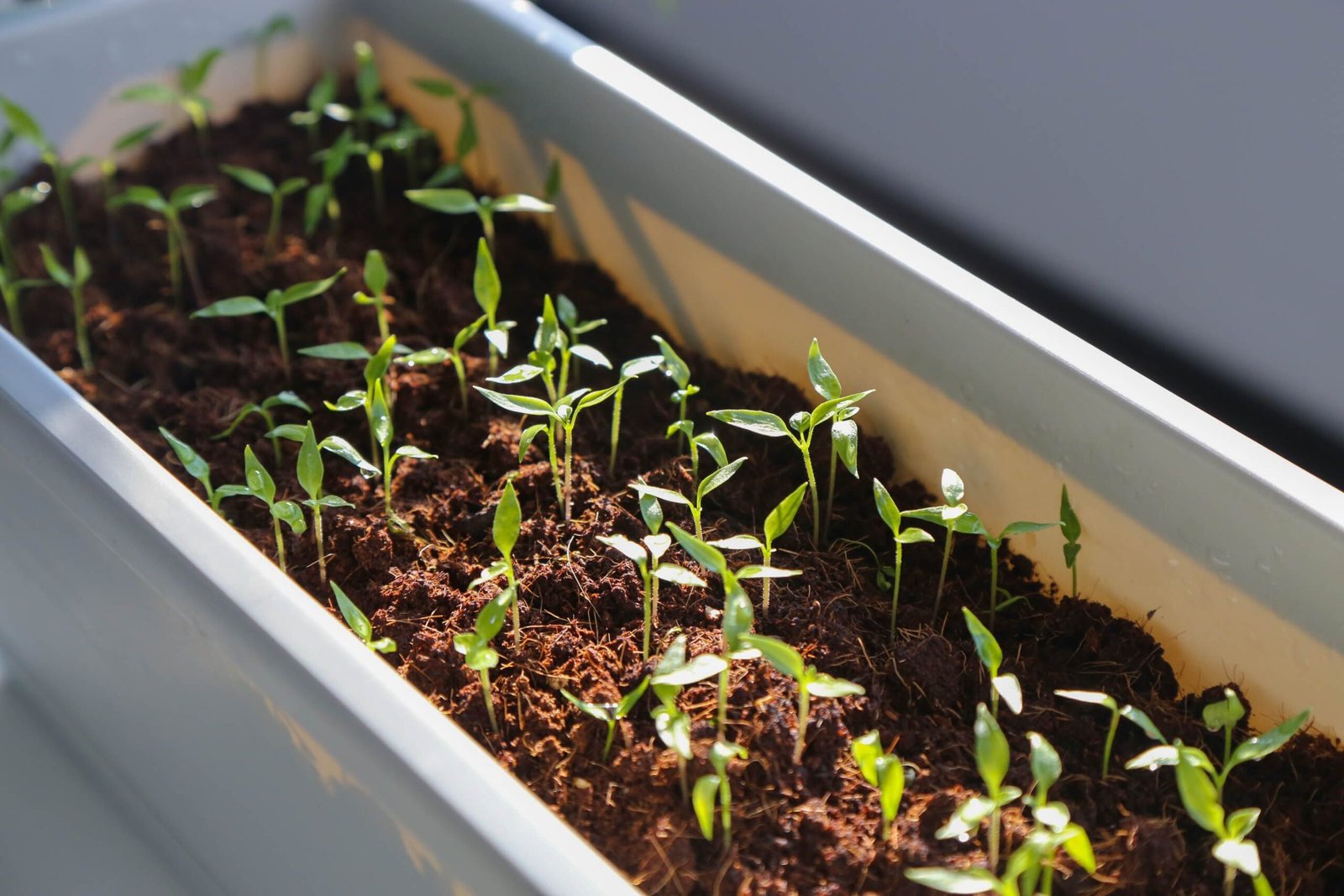
Starting a vegetable garden is one of the most rewarding ways to grow fresh food, save money on groceries, and enjoy more time outdoors. Whether we have a spacious backyard, a small patio, a balcony, or just a sunny corner near the house, we can create a productive garden with the right planning and a few essential supplies. Growing our own vegetables also allows us to choose what we plant, understand how our food is produced, and enjoy the satisfaction of harvesting crops we have cared for ourselves.
For beginners, learning how to start a vegetable garden does not require expensive equipment or professional gardening experience. The most important steps are choosing a suitable location, preparing healthy soil, selecting vegetables that grow well in the local climate, watering correctly, and protecting plants from pests. By beginning with a manageable space and a few easy-to-grow crops, we can develop practical gardening skills without becoming overwhelmed.
In 2026, home vegetable gardening remains a useful way to make better use of outdoor spaces and grow seasonal produce. This guide explains how to plan, plant, maintain, and harvest a vegetable garden, including practical advice for beginners who want to enjoy healthy crops throughout the growing season.
1. Choose the Best Location for Your Vegetable Garden
The first step in starting a vegetable garden is selecting a location where plants can receive enough sunlight, water, and air circulation. Most popular vegetables grow best with six to eight hours of direct sunlight daily, although leafy crops such as lettuce and spinach can tolerate partial shade.
Observe the proposed garden area throughout the day before planting. A sunny backyard, raised bed, or suitable container arrangement near a bright patio can work well. Avoid locations where buildings, fences, or large trees block most of the light.
Good drainage is equally important. Vegetable roots need moisture, but waterlogged soil can restrict oxygen and encourage root diseases. Choose an area where rainwater does not regularly collect. If the ground drains poorly, consider raised beds or containers with adequate drainage holes.
Convenient access also makes a difference. A garden near a reliable water source is easier to maintain, particularly during hot weather. Keeping vegetables close to the house may encourage us to water, inspect, and harvest them more consistently.
Before digging, identify underground utilities and consider whether nearby trees compete with vegetables for water and nutrients. A little planning at this stage can prevent unnecessary problems later.
2. Prepare Healthy Soil and Choose a Garden Type
Healthy soil gives vegetable plants the foundation they need to develop strong roots, absorb nutrients, and produce healthy leaves and fruits. Ideally, garden soil should be loose, fertile, well-drained, and rich in organic matter.
Start by removing weeds, grass, stones, and unwanted debris from the planting area. Loosen compacted soil without working it when it is excessively wet, because wet soil can become compacted further. Add mature compost to improve soil structure and support beneficial soil organisms.
A soil test can help identify pH levels and nutrient deficiencies, allowing us to make targeted improvements instead of adding unnecessary fertilizers. If the soil may contain contaminants, especially in older urban properties, test its safety before growing edible crops.
We can choose from three main garden types:
In-ground garden: Suitable for yards with good soil and drainage.
Raised garden beds: Easier to organize and can be filled with a suitable growing mix.
Container garden: Ideal for balconies, patios, and small spaces.
For containers, use a quality potting mix rather than heavy garden soil. Choose pots with drainage holes and enough room for the mature plant’s roots.
Beginners should start small. A compact bed or a few well-sized containers are easier to water, weed, and maintain than a large garden. We can expand the growing area after gaining experience.
3. Select Easy Vegetables and Plant at the Right Time
The best vegetables for a beginner are those that grow well in the local climate, suit the available space, and are commonly used in the kitchen. Rather than planting everything at once, we should choose a few crops with manageable growing requirements.
| Vegetable | Why it suits beginners | Basic growing tip |
|---|---|---|
| Lettuce | Fast-growing leafy crop | Provide regular moisture and avoid excessive heat |
| Radishes | Often ready within a few weeks | Sow directly in loose soil |
| Bush beans | Productive and relatively simple | Plant after frost risk has passed where relevant |
| Tomatoes | Versatile and rewarding | Provide sunlight, support, and consistent watering |
| Cucumbers | Productive in warm weather | Give plants room or provide a trellis |
| Spinach | Useful leafy vegetable | Grow in suitable cool-season conditions |
| Chillies or peppers | Useful for many cuisines | Provide warmth, sunlight, and well-drained soil |
Planting time depends on climate and season. In regions with cold winters, many vegetables are planted after the last frost, while cool-season crops may be grown in early spring or autumn. In hot climates, the growing calendar can be very different.
For gardeners in Pakistan, including areas with hot summers and comparatively mild winters, seasonal timing is especially important. Spinach, coriander, peas, and many other cool-season vegetables are commonly grown during cooler months, while okra, chillies, and suitable varieties of cucumber thrive in warmer conditions. Local planting calendars should guide exact sowing dates because temperatures and rainfall vary by region.
Read seed packets carefully for planting depth, spacing, temperature requirements, and days to maturity. Some crops grow best when seeds are sown directly into the garden, while others can be started indoors or purchased as healthy seedlings.
When transplanting seedlings, gradually expose them to outdoor conditions before planting them permanently. This process, called hardening off, helps young plants adjust to sunlight, wind, and temperature changes.
4. Plan Your Garden Layout and Plant Correctly
A simple garden layout helps us use available space efficiently and makes everyday care easier. Before planting, draw a basic map showing where each vegetable will grow, how much space it needs, and where we will walk to water and harvest the crops.
Place taller plants where they are less likely to shade shorter crops. In many gardens, tall crops can be positioned toward the north or west, depending on the direction of sunlight and the garden’s layout. Keep enough space between plants for air circulation and healthy growth.
Follow the recommended spacing on seed packets or plant labels. Overcrowding can reduce sunlight, increase competition for nutrients, and make fungal diseases more likely.
For a straightforward beginner garden, we might plant tomatoes with stakes, bush beans in a nearby row, and radishes or leafy greens in smaller spaces. Cucumbers can grow vertically on a sturdy trellis, helping us save ground space and making harvesting easier.
When planting seeds, use the recommended depth and cover them gently with soil. Water carefully to prevent seeds from washing away. If planting seedlings, handle their roots gently, place them at the appropriate depth, and water immediately afterward.
We should also consider succession planting. Instead of sowing every seed at once, plant small batches of fast-growing vegetables at intervals. This can spread the harvest over several weeks and prevent too much produce from becoming ready simultaneously.
Good planning makes the garden easier to manage and helps us get more useful food from the available space.
5. Water, Feed, and Maintain Your Vegetable Garden
Regular maintenance is essential for a productive vegetable garden. Plants need sufficient water, appropriate nutrients, sunlight, and protection from weeds and pests. The exact routine depends on the crop, soil, weather, and growing conditions.
Water deeply and consistently. Newly planted seeds and seedlings require close attention because their roots are still developing. Established plants generally benefit from watering that moistens the root zone rather than frequent, shallow sprinkling. Check the soil before watering, since containers and sandy soils dry out faster than heavier garden beds.
Watering in the morning is often beneficial because it allows plants to take up moisture before the hottest part of the day. Direct water toward the soil rather than repeatedly wetting foliage. Drip irrigation and soaker hoses can help deliver water efficiently.
Use fertilizer thoughtfully. Compost improves soil structure and adds organic matter, but individual crops may need additional nutrients. A soil test and the fertilizer label can help determine the right product and amount. Too much fertilizer, particularly nitrogen, can encourage excessive leaf growth at the expense of flowers and fruit.
Control weeds early. Remove weeds while they are small, before they compete strongly with vegetables for water, light, and nutrients. A layer of suitable organic mulch can help suppress weeds and reduce moisture loss.
Inspect plants regularly. Look beneath leaves for insects, check for damaged stems, and watch for unusual discoloration or wilting. Hand-picking larger pests, using physical barriers, and encouraging beneficial insects can help manage common problems. If a pesticide becomes necessary, choose one approved for the intended crop and follow its label precisely.
Consistent care is more effective than waiting until plants show serious signs of stress.
6. Harvest Vegetables and Keep Your Garden Productive
Harvesting is one of the most enjoyable parts of learning how to start a vegetable garden. Picking vegetables at the appropriate stage can improve flavor, texture, and continued production.
Different crops have different harvesting requirements. Leafy greens can often be harvested a few leaves at a time, while radishes are usually pulled when their roots reach a suitable size. Tomatoes are generally harvested when they develop the expected color and maturity for their variety. Cucumbers are often best picked before their seeds become overly developed.
Use clean scissors, garden snips, or a suitable harvesting knife when necessary. Avoid pulling forcefully on stems, which can damage plants and reduce future production.
Harvesting regularly is particularly important for crops such as beans and cucumbers. Leaving mature produce on the plant for too long can reduce quality and, in some cases, slow further production.
After harvesting, remove diseased plant material and clear away dying crops. Healthy plant residues can sometimes be composted, but material affected by persistent disease should be handled according to local guidance.
To maintain productivity, rotate plant families between garden areas when practical. Avoid growing the same family of vegetables in exactly the same soil year after year, as rotation can help reduce the buildup of certain pests and diseases. Replenish organic matter with compost and keep a simple record of planting dates, varieties, and harvest results.
A small gardening notebook can help us learn which vegetables perform best and improve future planting decisions.
7. Common Beginner Mistakes and How to Avoid Them
New gardeners often encounter problems, but many can be prevented with a few straightforward habits.
Starting with too much space: A large garden demands more time, water, and maintenance. Begin with a manageable bed or a few containers.
Choosing the wrong season: Even healthy seeds may struggle when temperatures are unsuitable. Check local planting calendars and crop-specific temperature requirements.
Overwatering: Constantly soggy soil can damage roots. Check soil moisture and ensure adequate drainage.
Planting too closely: Crowded plants compete for resources and may develop more disease problems. Follow recommended spacing.
Using poor-quality soil: Compacted or nutrient-deficient soil can limit growth. Add appropriate organic matter and test soil when needed.
Ignoring pests: Inspect leaves and stems regularly so that problems can be addressed early.
Expecting instant results: Different vegetables mature at different rates. Follow the expected harvest window and allow plants time to develop.
We should also avoid assuming that every crop will succeed on the first attempt. Weather, pests, soil conditions, and seed quality can all affect results. Record what happens, adjust the plan, and try again when necessary.
Frequently Asked Questions About Starting a Vegetable Garden
How much space do we need to start a vegetable garden?
We can begin with a few containers or a small raised bed. Even a limited growing area can produce herbs, leafy greens, radishes, and selected compact vegetable varieties.
What is the easiest vegetable to grow for beginners?
Radishes, lettuce, bush beans, and some leafy greens are useful starting choices. The easiest crop depends on the local climate, season, sunlight, and available space.
How often should we water a vegetable garden?
There is no single schedule that works everywhere. Check the soil moisture, weather, and plant requirements. Water when needed to maintain appropriate moisture around the roots without leaving the soil waterlogged.
Can we grow vegetables without a backyard?
Yes. Containers, grow bags, balconies, and patios can support many vegetables, provided there is enough sunlight, suitable growing medium, drainage, and access to water.
How long does it take to grow vegetables?
Fast-growing radishes may be ready in a few weeks, while tomatoes, peppers, and other fruiting crops generally take longer. The variety, climate, and growing conditions determine the actual harvest time.
Conclusion
Learning how to start a vegetable garden becomes much easier when we follow a practical plan. Choose a sunny location, prepare healthy soil, select vegetables suited to the local climate, plant them with adequate spacing, and maintain consistent watering and care.
We do not need a large yard or expensive equipment to begin. A small garden with a few carefully selected crops can provide fresh produce, valuable gardening experience, and an enjoyable outdoor activity.
In 2026, the best approach is to start small, learn from each growing season, and expand gradually as our confidence improves. With patience, observation, and regular maintenance, we can build a productive vegetable garden that makes better use of our space and brings fresh food closer to our table.



 Tech1 month ago
TUF Gaming Laptop with Drivers in the Internet: The Complete 2026 Guide
- Business4 months ago
Tips for First-Time Chauffeur Service Users
- Blog3 months ago
Almawadahit.com Blog: A Guide to Modern Online Blogging and Digital Content in 2026
- Celebrity3 months ago
Erin Wagner: Biography, Career, Achievements, and Lasting Influence
- Blog3 months ago
Shiny or Shiny: The Complete 2026 Guide to Creating Stunning AI Images with ChatGPT, Picfont, and Image Compression Tools
- Business3 months ago
Voozon: Complete Guide, Meaning, Features, Benefits, and Everything You Need to Know
- Celebrity4 months ago
Luciana Pedraza: A Complete Biography of the Argentine Actress, Director, and Philanthropist
- Business3 months ago
Totaling vs Totalling: The Complete 2026 Guide to the Correct Spelling and Usage