
Health
Appendicitis: Symptoms, Causes, Diagnosis, and Treatment Guide (2026)


Appendicitis is a medical condition in which the appendix becomes inflamed, often causing abdominal pain that can worsen over time. The appendix is a small, finger-shaped pouch attached to the large intestine, usually located in the lower-right part of the abdomen. Although its exact role in the body is still being studied, inflammation of this organ can become a serious medical problem if it is not treated promptly.
Understanding appendicitis symptoms, causes, warning signs, diagnosis, and treatment options can help us recognize when medical attention is necessary. The condition can affect people of different ages, although it is particularly common among teenagers and young adults. Symptoms do not always follow the same pattern, and young children, older adults, and pregnant people may experience less typical signs.
Appendicitis is a medical emergency because an inflamed appendix can sometimes rupture, allowing infection to spread within the abdomen. Anyone who may have appendicitis should seek urgent medical assessment rather than waiting for symptoms to disappear. Early diagnosis and appropriate treatment can reduce the risk of complications and support recovery.
This guide explains how appendicitis develops, which symptoms to watch for, how doctors diagnose it, and what treatment and recovery may involve in 2026.
2. Common Symptoms of Appendicitis and Early Warning Signs
The most common symptom of appendicitis is abdominal pain that gradually worsens. For many people, the pain begins near the belly button and moves toward the lower-right side of the abdomen over several hours. It may become more intense when walking, coughing, sneezing, or making sudden movements.
Other symptoms can include:
Loss of appetite: Food may become unappealing, even before the abdominal pain becomes severe.
Nausea and vomiting: These symptoms often develop after the pain begins.
Fever: A mild fever may occur as inflammation progresses.
Constipation or diarrhea: Changes in bowel habits can accompany appendicitis.
Abdominal swelling: Some people experience bloating or tenderness.
Difficulty passing gas: This can occur in some cases.
Symptoms vary from person to person. Children, older adults, and pregnant people may experience pain in a different location or have less typical symptoms. Therefore, the absence of classic right-sided pain does not rule out appendicitis.
Seek urgent medical assessment if abdominal pain is worsening, persistent, or moving toward the lower-right abdomen. If pain becomes severe or spreads across the abdomen, or if there is confusion, difficulty breathing, or other signs of serious illness, seek emergency medical care immediately.
One important warning is that pain may briefly improve if the appendix ruptures, followed by severe, widespread abdominal pain. A temporary improvement should not be interpreted as proof that the condition has resolved.
3. What Causes Appendicitis and Who Is at Risk?
Appendicitis commonly develops when the opening inside the appendix becomes blocked. The blockage can cause pressure to build up, interfere with normal drainage, and encourage inflammation and infection.
Possible causes include hardened stool, swelling of tissue in the appendix wall, and other forms of obstruction. In some cases, the precise cause cannot be identified. Appendicitis is not necessarily caused by eating a particular food, and it can develop even in people who generally follow healthy habits.
Although appendicitis can occur at any age, it is particularly common among teenagers and young adults. It can also affect young children and older adults, whose symptoms may be less typical.
Potential risk considerations include:
Age: The condition is more common in younger people, although no age group is completely exempt.
Anatomical blockage: An obstruction inside the appendix can contribute to inflammation.
Individual medical circumstances: Certain intestinal conditions or inflammatory processes may be relevant in some cases.
There is no guaranteed method of preventing appendicitis. Maintaining general health is beneficial, but a healthy diet or exercise routine cannot ensure that the condition will never occur.
It is also important to understand that abdominal pain has many possible causes. Gastroenteritis, urinary tract infections, kidney stones, intestinal disorders, and certain reproductive health conditions can produce similar symptoms. Medical evaluation is necessary to distinguish among these possibilities.
4. How Doctors Diagnose Appendicitis
Diagnosing appendicitis usually involves reviewing symptoms, examining the abdomen, and using laboratory tests or medical imaging when appropriate.
A healthcare professional will ask when the pain started, where it is located, whether it has moved, and whether symptoms such as vomiting or fever have developed. During a physical examination, the clinician checks for tenderness and other signs that may suggest inflammation.
Blood tests can identify an elevated white blood cell count or other signs of inflammation. A urine test may help identify urinary conditions that cause similar pain. A pregnancy test may be recommended when relevant because pregnancy-related conditions can affect diagnosis and the choice of imaging.
Doctors may also use imaging studies:
Ultrasound: Uses sound waves to produce images and is often considered first for children and pregnant patients.
CT scan: Provides detailed images that can help identify an inflamed appendix and possible complications.
MRI: May be used in selected situations, including pregnancy, when additional imaging is needed.
No single test is perfect in every case. Doctors interpret results alongside symptoms, examination findings, and changes over time. Sometimes observation and repeat examinations are needed before a diagnosis becomes clear.
5. Appendicitis Treatment: Surgery, Antibiotics, and Recovery
The standard treatment for appendicitis is often an appendectomy, an operation to remove the inflamed appendix. Treatment is generally performed in a hospital, with the timing and surgical approach determined by the patient’s condition.
In laparoscopic surgery, the surgeon uses small incisions and a camera to remove the appendix. This approach often allows a shorter recovery than open surgery, which uses a larger incision and may be necessary in certain circumstances.
Antibiotics are also important. They are commonly given around the time of surgery to treat or prevent infection. In carefully selected cases of uncomplicated appendicitis, doctors may offer antibiotics without immediate surgery. This approach is not suitable for everyone, and appendicitis can return after antibiotic treatment.
If the appendix has ruptured or an abscess has formed, treatment may involve antibiotics, drainage of infected fluid, surgery, or a combination of these approaches. The medical team determines the safest plan based on the severity of the infection and the patient’s overall health.
Recovery depends on the treatment received and whether complications occurred. Many people recover from uncomplicated appendicitis within approximately one to two weeks, although returning to strenuous activities may take longer.
After treatment, we should follow the clinician’s instructions regarding wound care, medication, physical activity, and follow-up appointments. Increasing abdominal pain, fever, worsening redness, pus from a surgical wound, or persistent vomiting requires prompt medical advice.
6. Complications of Untreated Appendicitis
Appendicitis can become dangerous when treatment is delayed. As inflammation progresses, the appendix may develop a hole or rupture, allowing bacteria and infected material to spread into the abdomen.
Potential complications include:
Perforation: A hole develops in the appendix, allowing its contents to escape.
Peritonitis: Infection and inflammation affect the lining of the abdominal cavity.
Abscess: A collection of pus forms near the appendix.
Sepsis: The body’s response to infection becomes life-threatening.
Bowel complications: Inflammation or scar tissue can sometimes interfere with normal intestinal function.
These complications may require more intensive treatment, longer hospital stays, drainage procedures, or additional surgery. Prompt medical assessment helps reduce the risk of serious outcomes.
We should never attempt to manage suspected appendicitis solely with home remedies. Do not delay medical evaluation to see whether painkillers, laxatives, or dietary changes resolve the problem. If appendicitis is suspected, seek urgent professional care and follow the medical team’s instructions about eating, drinking, and medication while awaiting assessment.
7. Frequently Asked Questions About Appendicitis
Can appendicitis go away on its own?
Appendicitis should not be assumed to resolve without treatment. Some uncomplicated cases improve with medically supervised antibiotic treatment, but others require surgery. Assessment is necessary to determine the appropriate option.
Where does appendicitis pain usually start?
Pain often begins around the belly button and moves to the lower-right abdomen. However, the location can vary, especially in children, older adults, and pregnant people.
How quickly can appendicitis become serious?
Symptoms may worsen over several hours, but the progression varies. There is no reliable timetable that makes waiting safe. Persistent or worsening abdominal pain requires urgent medical assessment.
Can appendicitis occur without a fever?
Yes. Fever is not present in every case, particularly during the early stages. The absence of fever does not rule out appendicitis.
Can we live normally without an appendix?
Yes. People generally live normally after an appendectomy and do not usually need permanent dietary or lifestyle changes solely because the appendix has been removed.
Conclusion
Appendicitis is a potentially serious medical condition that requires prompt recognition and appropriate treatment. The most familiar warning sign is abdominal pain that begins near the belly button and moves toward the lower-right abdomen, often accompanied by nausea, loss of appetite, or fever. However, symptoms can vary, and no single sign can confirm the diagnosis.
In 2026, the key message remains straightforward: worsening or persistent abdominal pain should never be ignored. Medical professionals can evaluate symptoms, use appropriate tests, and determine whether surgery, antibiotics, or another treatment is necessary.
By understanding the causes, warning signs, diagnosis, and treatment of appendicitis, we can make better-informed decisions and seek care promptly when it matters most. If appendicitis is suspected now, seek urgent medical care rather than relying on this article for diagnosis.
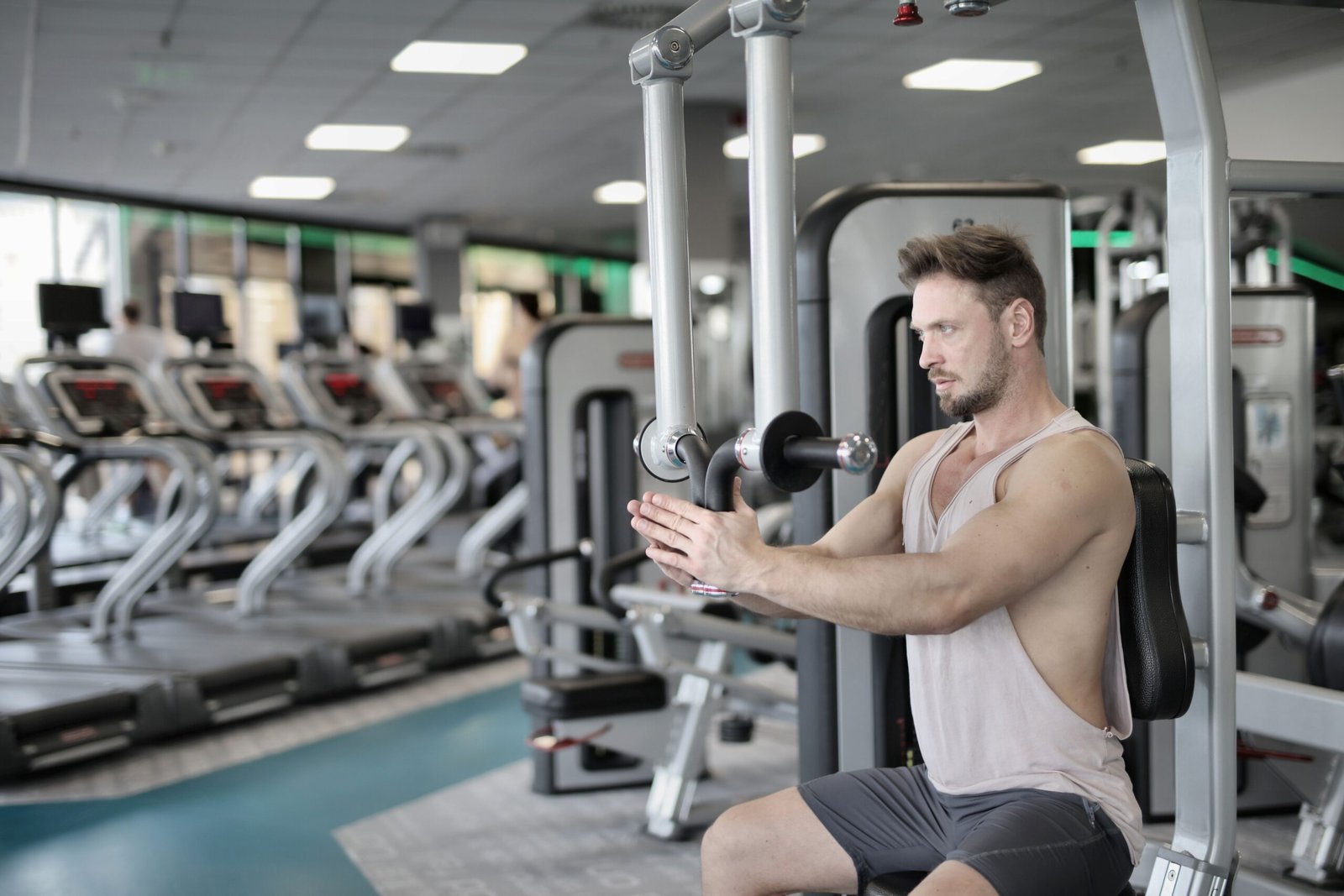
The Pallof press is one of the most effective core exercises for developing abdominal stability, improving posture, and building strength that supports everyday movement and athletic performance. Unlike traditional abdominal exercises that involve repeated bending or twisting, the Pallof press challenges the core to resist rotation while the body maintains a stable position. This makes it a valuable addition to strength training programs for beginners, experienced gym-goers, athletes, and anyone looking to improve functional fitness.
Whether we perform the exercise with a resistance band or a cable machine, the Pallof press trains the muscles responsible for keeping the torso controlled against external forces. Its straightforward movement pattern makes it accessible to many fitness levels, while its adjustable resistance allows us to increase the challenge as our strength improves. By understanding the proper technique, muscles worked, common mistakes, and effective variations, we can incorporate the Pallof press into a balanced core workout and develop greater control over how the body moves.
What Is the Pallof Press?
The Pallof press is an anti-rotation core exercise performed with a resistance band or cable machine. We position ourselves sideways to the resistance source, hold the handle or band close to the chest with both hands, and press the hands forward while resisting the force that attempts to rotate the torso toward the anchor point.
The main objective is to maintain a stable trunk throughout the movement. Rather than allowing the hips and shoulders to turn, we engage the abdominal muscles, glutes, and other stabilizing muscles to keep the body aligned. We then bring the hands back toward the chest under control and repeat the movement for the desired number of repetitions.
The exercise is named after physical therapist John Pallof and is widely used in strength and conditioning programs. Its popularity comes from its versatility: we can perform it standing, kneeling, half-kneeling, or in other controlled positions depending on our goals and abilities.
The Pallof press differs from exercises such as Russian twists and bicycle crunches because it emphasizes resisting unwanted rotation rather than producing rotation. This makes it especially useful for training trunk stability, which helps us maintain control during movements such as carrying groceries, lifting objects, running, and changing direction during sports.
Muscles Worked During the Pallof Press
The Pallof press primarily targets the muscles that stabilize the trunk. Although we may not feel the same intense abdominal contraction associated with crunches, several muscle groups work together to prevent the body from rotating.
Obliques: The internal and external obliques play a central role in resisting rotational forces. They help keep the torso facing forward as the arms move away from the chest.
Transverse abdominis: This deep abdominal muscle contributes to trunk stiffness and helps maintain control around the midsection.
Rectus abdominis: Commonly associated with the visible six-pack muscles, the rectus abdominis assists with abdominal bracing and helps control the position of the torso.
Multifidus and spinal stabilizers: These muscles help support the spine and maintain alignment while the body resists external forces.
Gluteal muscles: The glutes help stabilize the pelvis and prevent unnecessary movement through the hips.
Shoulders and arms: The deltoids, triceps, and other upper-body muscles help extend the arms and control the handle or resistance band.
The Pallof press is primarily a core stability exercise rather than a maximal-strength movement for the arms or shoulders. We should therefore focus on controlled movement, appropriate resistance, and a stable torso instead of trying to press the heaviest possible load.
How to Do the Pallof Press With Proper Form
Learning the correct Pallof press technique helps us target the core effectively while minimizing unnecessary movement through the lower back and hips.
Step 1: Set Up the Resistance
Attach a handle to a cable machine at approximately chest height, or secure a resistance band to a sturdy anchor at a similar level. Stand sideways to the anchor so the resistance pulls across the front of your body. Check that the cable attachment is secure or that the band is firmly anchored before beginning.
Step 2: Establish a Stable Stance
Stand with your feet approximately shoulder-width apart and your knees slightly bent. Keep your weight distributed across both feet, your hips level, and your chest upright. Hold the handle with both hands and bring it toward the center of your chest.
We should avoid leaning away from the cable or shifting our weight to compensate for excessive resistance. The goal is to establish a comfortable, balanced position before pressing.
Step 3: Brace the Core
Gently tighten the abdominal muscles as though preparing for a light push to the stomach. Keep breathing normally while maintaining a firm torso. The ribs should remain aligned over the pelvis, and the lower back should stay in a comfortable, natural position.
Effective bracing does not require holding the breath or squeezing every muscle as hard as possible. We want enough tension to maintain control without creating unnecessary stiffness.
Step 4: Press the Hands Forward
Slowly extend both arms directly in front of the chest until the elbows are nearly straight. As the hands move away from the body, the resistance will attempt to pull the torso toward the anchor point.
Our task is to resist that rotation. Keep the shoulders and hips facing forward, avoid twisting the spine, and maintain steady pressure through the feet. Pause briefly with the arms extended if we can do so without losing position.
Step 5: Return to the Starting Position
Bring the hands back toward the chest in a controlled manner. Avoid allowing the cable or band to pull the arms backward suddenly. Complete the desired repetitions, turn around, and repeat on the opposite side.
For beginners, we can start with 2–3 sets of 8–12 controlled repetitions per side. Each repetition should be smooth, deliberate, and free from unwanted trunk movement.
Key Benefits of the Pallof Press
The Pallof press offers several benefits that make it a useful exercise for a wide range of fitness programs.
Improved core stability: By resisting rotational forces, we train the abdominal and spinal stabilizing muscles to maintain a controlled trunk. This ability is useful during many compound exercises and everyday activities.
Better movement control: A stable torso helps us transfer force efficiently between the upper and lower body. Athletes may find this particularly useful during running, throwing, swinging, and changing direction, although performance improvements depend on the wider training program.
Functional strength development: Everyday activities rarely occur in perfectly controlled gym positions. Carrying bags, moving household objects, and reaching while holding a load can challenge our ability to maintain trunk alignment. The Pallof press trains a component of this control.
Adaptability for different fitness levels: We can adjust the resistance, stance, and body position to make the exercise easier or harder. A light resistance band may suit a beginner, while a cable machine with carefully selected resistance can provide a more consistent challenge.
Variety in core training: A balanced core program can include exercises that resist extension, resist rotation, produce controlled movement, and stabilize the spine. The Pallof press adds anti-rotation training without requiring repeated spinal twisting.
Although the exercise supports core strength, it does not specifically burn belly fat or guarantee a pain-free back. Fat loss depends on overall energy balance and activity, while back discomfort can have many causes. We should treat the Pallof press as one useful component of a broader fitness routine.
Best Pallof Press Variations for Different Fitness Levels
Changing our position or equipment allows us to train the same anti-rotation principle in different ways.
Standing Pallof Press
The standing variation is an excellent starting point for most people. It challenges the core while requiring us to maintain balance through the feet, knees, and hips. We should begin with light resistance and increase it only when we can keep the torso stable.
Half-Kneeling Pallof Press
In the half-kneeling variation, one knee rests on the floor while the opposite foot is planted in front. This position reduces some of the demands associated with standing and encourages control through the pelvis and trunk. We can switch the forward leg and adjust our orientation to the anchor to train both sides evenly.
Tall-Kneeling Pallof Press
For this variation, we kneel on both knees with the torso upright. Squeezing the glutes gently and maintaining the ribs over the pelvis helps prevent excessive arching of the lower back. The reduced contribution from the legs makes it easier to focus on trunk stability.
Pallof Press With a Resistance Band
A resistance band makes the exercise convenient for home workouts and travel. We need a secure anchor that can safely withstand the pulling force. Because band tension changes as it stretches, we should choose an appropriate distance from the anchor and avoid using damaged bands or unstable attachment points.
Pallof Press With a Cable Machine
A cable machine provides adjustable resistance and generally offers a consistent setup from one repetition to the next. We can gradually increase the load as our control improves, but we should not sacrifice alignment to move a heavier weight.
Common Pallof Press Mistakes to Avoid
Even though the Pallof press looks simple, poor technique can reduce its effectiveness. Recognizing these mistakes helps us maintain the exercise’s primary purpose.
Rotating the torso: Turning the shoulders or hips toward the anchor reduces the anti-rotation challenge. Keep the body facing forward throughout each repetition.
Using excessive resistance: If the cable pulls us off balance or makes us twist, the load is too heavy. Reduce resistance until we can control the movement.
Arching the lower back: Allowing the ribs to flare and the back to arch can compromise trunk positioning. Keep the ribs aligned over the pelvis and use a comfortable, neutral spine position.
Holding the breath: Breath-holding is unnecessary for most ordinary Pallof press sets. Maintain a steady breathing pattern while keeping the core engaged.
Moving too quickly: Rushing through the press reduces control. Extend and return the arms smoothly, pausing briefly when appropriate.
Ignoring one side: Resistance from either direction creates a different challenge. We should train both sides with comparable resistance and repetitions.
If the exercise causes sharp pain, dizziness, or unusual symptoms, stop and reassess the movement. People with existing injuries or medical restrictions should seek individualized guidance from an appropriate healthcare professional before adding challenging core exercises.
How to Add the Pallof Press to a Workout Routine
We can incorporate the Pallof press into a warm-up, a dedicated core session, or the accessory portion of a full-body strength workout. The best placement depends on the rest of our training and the amount of effort required by other exercises.
For general fitness, a practical starting point is 2–3 sets of 8–12 repetitions per side, performed two or three times per week as part of a balanced program. We should begin with light resistance and prioritize technique. If maintaining a stable position becomes difficult, we can reduce the load, shorten the lever by keeping the hands closer to the chest, or choose a more stable stance.
A simple core workout could include the following exercises:
| Exercise | Sets | Repetitions or duration |
|---|---|---|
| Pallof press | 2–3 | 8–12 per side |
| Dead bug | 2–3 | 8–12 per side |
| Bird dog | 2–3 | 8–10 per side |
| Front plank | 2–3 | 20–45 seconds |
Rest as needed to maintain good technique. These ranges are starting guidelines rather than strict requirements, and we should adjust them according to our experience, recovery, and training goals.
As our control improves, we can progress by increasing resistance slightly, extending the arms fully, adding a pause at the end of the press, or using a more demanding stance. We should change one variable at a time so that progress remains measurable and technique stays consistent.
The most important principle is to progress through better control before increasing resistance. A lighter Pallof press performed with a stable torso is more useful for anti-rotation training than a heavy repetition that causes the body to twist or lean.
Conclusion: Is the Pallof Press Worth Adding to Your Training?
The Pallof press is a versatile and effective core stability exercise that trains the body to resist unwanted rotation. By engaging the obliques, deep abdominal muscles, spinal stabilizers, and glutes, it helps us develop the control needed to maintain a stable torso during exercise and everyday movement.
Its simple setup, adjustable resistance, and range of variations make it suitable for many training environments, from home workouts with resistance bands to fully equipped gyms with cable machines. To get the most from the exercise, we should maintain proper alignment, breathe normally, use manageable resistance, and train both sides evenly.
When combined with other core exercises, strength training, and regular physical activity, the Pallof press can become a valuable part of a well-rounded fitness routine. Consistent practice and gradual progression allow us to build core stability while keeping the focus on controlled, purposeful movement.

In the rapidly changing digital world, new names, terms, concepts, and online searches appear every day. One such term that has gained attention is Pantagonar. When people come across unfamiliar words online, their first questions are usually about meaning, purpose, background, and why the term is becoming popular. A clear and detailed explanation helps users understand the topic better and find reliable information without confusion.
Pantagonar has become an interesting search term because many people are looking for more details about it. Whether someone discovers the word through online platforms, digital content, advertisements, or discussions, the need for accurate and easy-to-understand information remains important. A well-structured guide can help readers explore the available knowledge, understand the context of the term, and learn why it attracts attention.
This comprehensive article explores Pantagonar from different perspectives, including its meaning, possible importance, online presence, and factors that make people interested in learning more. The goal is to provide a useful resource that answers common questions and explains the topic in a simple and human-friendly way.
Quick Facts
| Detail | Information |
|---|---|
| Product Name | Pantagonar |
| Category | Hair and Wellness Supplement |
| Main Purpose | Hair Growth and Hair Health Support |
| Secondary Purpose | Nail and Beauty Support |
| Form | Capsule or Nutritional Supplement |
| Target Users | Adults Seeking Hair Wellness Support |
| Key Focus | Nutritional Hair Care |
| Common Nutrients | Biotin, Amino Acids, Vitamins, Minerals |
| Hair Growth Support | Yes |
| Nail Support | Yes |
| Beauty Benefits | Potentially |
| Wellness Category | Beauty and Health |
| Prescription Required | Depends on Product Type |
| Usage Method | Oral Supplement |
| Popularity | Growing Worldwide |
| Industry | Health and Wellness |
| Suitable For | Men and Women |
| Main Advantage | Supports Hair From Within |
| Long-Term Use | Often Used for Several Months |
| Wellness Trend | Preventive Beauty Care |
What Is Pantagonar? Understanding the Meaning Behind the Term
Pantagonar is a term that has created curiosity among internet users who want to discover its background and significance. Like many emerging keywords, its meaning can depend on the context where it appears. In today’s online environment, new terms can represent various things, including digital concepts, brands, projects, platforms, or unique ideas.
When people search for a term like Pantagonar, they are usually trying to understand its identity and relevance. They want to know whether it represents something new, whether it has practical applications, and why it has started appearing in online searches. Providing a detailed explanation allows readers to approach the topic with better understanding.
The growth of new search terms highlights how quickly information spreads through the internet. A word that may initially be unfamiliar can gain attention when more people encounter it across different digital channels. This is why researching and explaining emerging terms has become increasingly valuable.
Why Is Pantagonar Becoming a Popular Search Topic?
The internet constantly introduces new topics that capture public curiosity. Pantagonar represents the type of keyword that attracts attention because users want answers. Whenever people see an unfamiliar term, they naturally search for additional information to understand its purpose and relevance.
One major reason behind the popularity of new keywords is digital curiosity. People today rely heavily on search engines to learn about unfamiliar topics. Instead of ignoring unknown terms, users actively investigate them to gain knowledge. This behavior has made search engines one of the most important tools for discovering information.
Another factor is the increasing importance of online visibility. Businesses, creators, and digital platforms often introduce new names and concepts that require explanation. As more people search for these terms, informative content becomes necessary to provide clarity and improve understanding.
Pantagonar’s growing interest also demonstrates the importance of quality content. When users search for information, they expect articles that are detailed, natural, and helpful rather than simple keyword-based pages.
Key Features and Important Aspects of Pantagonar
Understanding the important aspects of Pantagonar requires looking beyond the keyword itself. Modern internet users prefer complete explanations that answer multiple questions in one place. A useful guide should focus on providing context, clarity, and relevant details.
One important aspect of any emerging term is its identity. Readers want to know what makes the term unique and why it deserves attention. Clear explanations help remove uncertainty and allow users to understand the bigger picture.
Another important factor is accessibility. Information about new topics should be written in simple language so that both beginners and experienced users can understand it. Complex explanations often create confusion, while well-organized content improves the reading experience.
A strong online presence is also essential. In the modern digital environment, visibility depends on how easily users can find and understand information. This is why detailed articles, FAQs, and educational resources play an important role.
Benefits of Learning More About Pantagonar
Learning about Pantagonar can provide several advantages, especially for people who frequently explore new digital trends and online topics. Knowledge allows users to make better decisions, understand discussions, and stay updated with emerging information.
One major benefit is improved awareness. Instead of relying on incomplete details or random information, readers can develop a clearer understanding through structured content. This helps reduce confusion and creates a stronger foundation for further research.
Another benefit is saving time. A comprehensive guide brings important information together in one place, allowing users to quickly find answers to their questions. This is especially valuable in today’s fast-paced online environment, where people want accurate information without spending hours searching.
Additionally, understanding new keywords like Pantagonar can help content creators, researchers, and digital professionals recognize changing online interests. Search trends often reveal what people want to learn about, making them valuable indicators of digital behavior.
Pantagonar and the Importance of SEO-Friendly Content
Search engine optimization plays a significant role in helping information reach the right audience. A well-written article about Pantagonar should not only include the keyword but also provide genuine value to readers.
Modern search engines focus on content quality, relevance, and user experience. Simply repeating a keyword multiple times is no longer enough to achieve strong rankings. Instead, successful content should answer user questions, include meaningful information, and maintain a natural writing style.
A strong SEO article usually includes a clear title, informative introduction, organized headings, detailed paragraphs, and a helpful FAQ section. These elements make the content easier for both readers and search engines to understand.
For Pantagonar-related content, using related terms such as “Pantagonar guide,” “Pantagonar information,” “Pantagonar explanation,” and “Pantagonar facts” can help cover different search intentions while keeping the article natural.
Common Questions People Ask About Pantagonar
When users search for a new term, they often have similar questions. Answering these questions improves the usefulness of an article and creates a better experience for visitors.
People generally want to know the definition of the term, why it is important, where they can find more information, and whether the topic is expected to grow in popularity. A detailed FAQ section helps address these concerns quickly.
Providing clear answers also improves trust. Readers appreciate content that directly responds to their questions instead of providing vague information.
Conclusion: The Future Importance of Understanding Pantagonar
Pantagonar represents the growing importance of discovering and explaining new terms in the digital age. As the internet continues to expand, new keywords and concepts will continue appearing, creating a need for accurate, detailed, and user-friendly information.
A high-quality guide helps readers understand unfamiliar topics while providing valuable insights into why certain terms gain attention. Whether Pantagonar continues to grow in popularity or remains a niche search term, providing clear information ensures that users can make sense of what they discover online.
Creating informative, well-structured content remains one of the most effective ways to connect with audiences and provide real value in search results.
FAQ About Pantagonar
What is Pantagonar?
Pantagonar is an emerging term that has attracted online interest. Its exact meaning depends on the context in which it is used.
Why are people searching for Pantagonar?
People search for Pantagonar because they want to understand its meaning, background, and importance.
Is Pantagonar a popular topic?
Pantagonar has gained curiosity among users searching for information about new and unfamiliar terms.
How can I learn more about Pantagonar?
The best way to learn more is by researching reliable sources and following updated information related to the term.
Why is SEO content important for Pantagonar?
SEO-friendly content helps users find useful information more easily and improves visibility in search engines.
Will Pantagonar become more popular in the future?
The future popularity of Pantagonar depends on how widely the term is used and whether more people continue searching for information about it.


 Tech1 month ago
TUF Gaming Laptop with Drivers in the Internet: The Complete 2026 Guide
- Business4 months ago
Tips for First-Time Chauffeur Service Users
- Blog3 months ago
Almawadahit.com Blog: A Guide to Modern Online Blogging and Digital Content in 2026
- Celebrity3 months ago
Erin Wagner: Biography, Career, Achievements, and Lasting Influence
- Blog3 months ago
Shiny or Shiny: The Complete 2026 Guide to Creating Stunning AI Images with ChatGPT, Picfont, and Image Compression Tools
- Business3 months ago
Voozon: Complete Guide, Meaning, Features, Benefits, and Everything You Need to Know
- Celebrity3 months ago
Luciana Pedraza: A Complete Biography of the Argentine Actress, Director, and Philanthropist
- Celebrity3 months ago
Solluminati Age (2026): Biography, Real Name, Birthday, Career, Height, and Life Story